Are You An Airsoft Player Who Also Shoots With Real Firearms? Read This
Gungho Cowboy
07 Jun 2025
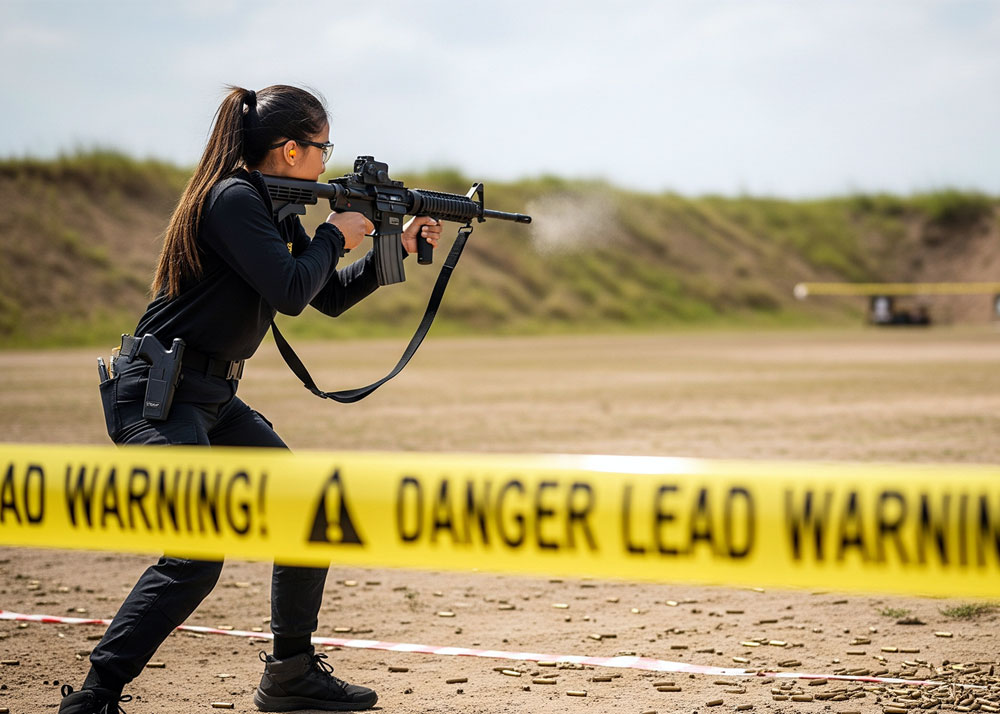
The ecological footprint of recreational activities often draws public attention, with discussions around plastic BBs in airsoft serving as an example. Yet, for airsoft players who are also engaged in real firearms shooting, a different, often more personal, ecological concern emerges: the internal accumulation of heavy metals, particularly lead. This issue, while less overtly visible than plastic waste, warrants consideration given its potential for long-term health consequences among participants.
A recent article by Iain Harrison for Recoil Web, titled "R53.83: Been Shooting for a Few Years? Get Tested For Heavy Metals," brought into focus the under-recognized risk of heavy metal exposure within the shooting community. The piece details how shooters encounter lead and other heavy metals through various avenues, primarily ammunition and propellant gases. This exposure is more pervasive than some might assume, leading to a range of potential health effects from subtle fatigue to more pronounced coordination issues.
The primary route of lead exposure in shooting activities is through the inhalation of airborne particles originating from ammunition and propellant gases. Over time, these particles can accumulate within the body, leading to a gradual increase in internal lead levels. The resulting symptoms can manifest in various ways, from general malaise and headaches to more specific neurological changes, including impaired motor control. Despite the potential for such outcomes, a significant segment of the shooting population may not be fully informed about these risks.
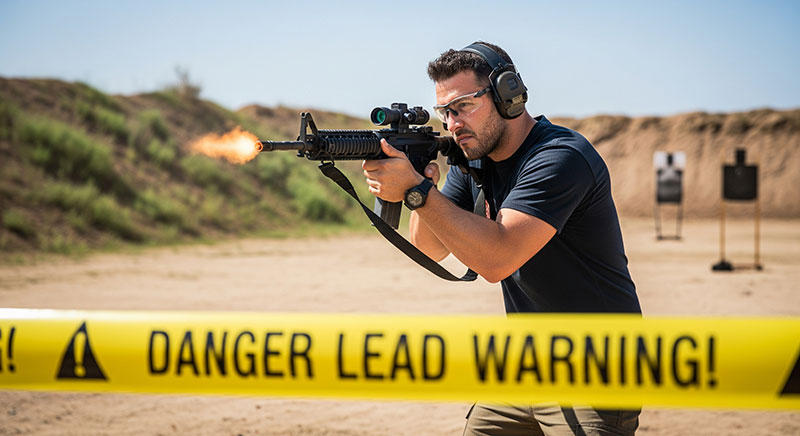
Identifying heavy metal accumulation presents a diagnostic challenge. Conventional blood tests frequently do not accurately reflect the body's total lead burden, as the metal tends to migrate from the bloodstream into tissues. A more comprehensive assessment method, the challenge test, offers a way to measure the levels of heavy metals stored within the body's tissues. Without such specific diagnostic tools, individuals may remain unaware of underlying lead toxicity.
Implementing preventive measures is a key step in mitigating exposure. Shooters can adopt practical hygiene protocols, such as thorough handwashing and changing clothes promptly after shooting sessions. These straightforward actions can contribute to a reduction in the absorption of lead particles and other contaminants, thereby lowering the risk of systemic exposure.
Beyond individual health, the broader environmental impact of firearms activities is also part of the discourse. The manufacturing and disposal of ammunition contribute to environmental contamination, affecting both natural habitats and wildlife populations. While initiatives to develop more environmentally sound ammunition are in progress, their overall efficacy in reducing environmental load remains a subject of ongoing assessment.
For those identified with heavy metal accumulation, treatment options are available. Chelation therapy, for instance, involves the use of agents that bind to heavy metals within the body, facilitating their removal and potentially alleviating toxic effects. However, a proactive approach to health management and increased awareness within the shooting community are important in preventing the progression of long-term health issues.

With this, individuals engaged in firearms shooting are presented with the task of balancing their recreational pursuits with responsible practices. Addressing personal health risks, considering broader societal impacts, and acknowledging environmental concerns are all components of this balance. Through enhanced awareness and the adoption of preventive measures, participants can continue their activities while working to minimize associated challenges.