The Beretta M9A1 Returns Without Fanfare
Gungho Cowboy
26 Sep 2025
One must confess, there's a certain excitement that bubbles to the surface when a piece of kit with a genuine military pedigree re-emerges from the rather dusty annals of history. It's a bit like finding a vintage offroader, caked in mud but still running, tucked away in a barn. So, the news from Beretta USA, that the M9A1 is once again gracing the shelves of American gun shops, feels a bit like that. Not a raucous, flag-waving affair, mind you, but a quiet, knowing nod to a sidearm that has, for better or worse, been a fixture in the American military's kit bag for a good long time.
It's been a rather long and winding road for the M9 platform. The original M9, of course, was the U.S. military's choice back in the mid-1980s, replacing the venerable but aging M1911. This decision, as one might expect, was met with all the stoic reserve and quiet contemplation one would associate with... well, absolutely none of it. A great deal of harrumphing ensued, much of which continued for decades. The pistol, however, soldiered on, through thick and thin, seeing service in all manner of rather unpleasant places and providing a steady, if not always universally adored, presence on the hips of countless service members.
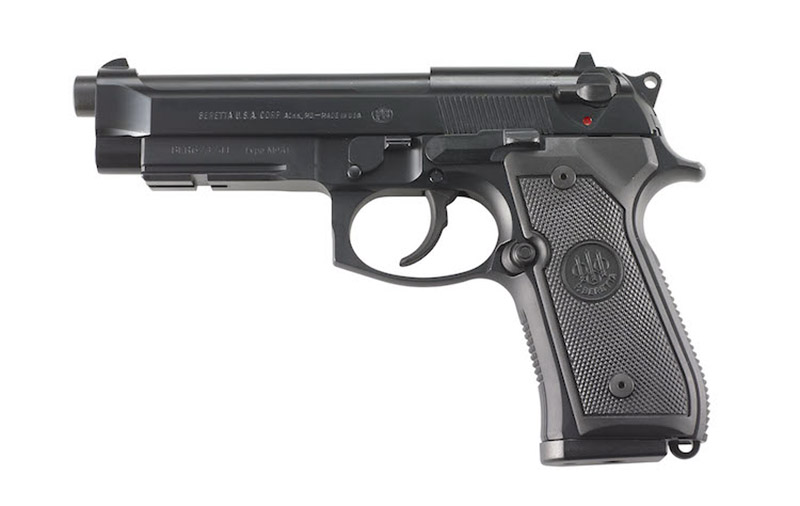
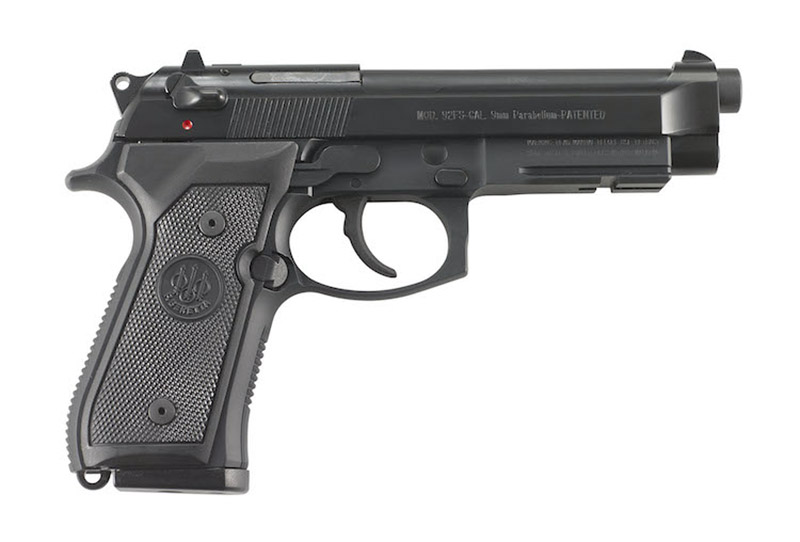
The M9A1, then, was the logical, if not entirely revolutionary, evolution of this workhorse. One imagines a group of chaps in a conference room, likely with some rather good coffee, looking at the standard M9 and thinking, "Right, what could we do to make this a bit more, you know, modern?" The answer, as it turns out, was to add a bit of rail. A simple, yet entirely sensible, addition that allowed for the attachment of rather useful things like tactical lights and lasers. It's the sort of subtle tweak that makes all the difference when you're operating in low-light environments, a problem the military was encountering with increasing frequency.
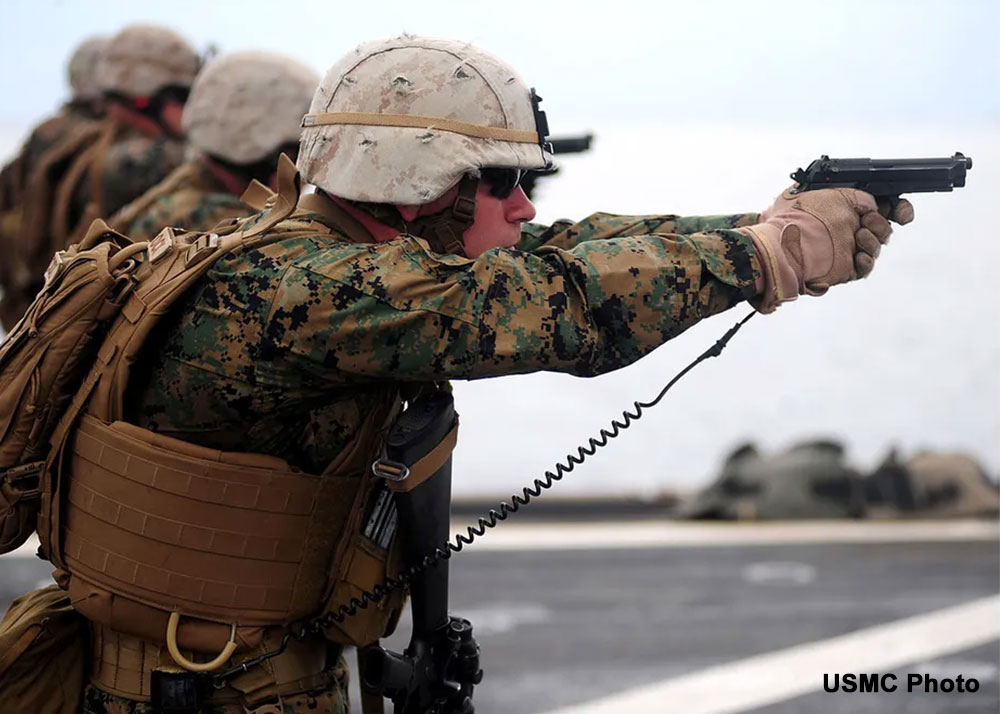
This brings us, rather neatly, to the U.S. Marines. A group of chaps, as a rule, who are rather keen on having the right tools for the job. During the Global War on Terror, the Marines found themselves in environments where the standard M9, while reliable, wasn't quite keeping up with the demands of modern combat. The need to attach a light to a sidearm for room-clearing and other close-quarters work became rather paramount. While other services might have muddled through, the Marines, ever pragmatic, decided to procure the M9A1. This wasn't a wholesale replacement, but a targeted adoption for specific units, addressing a very real and immediate operational need without fuss or fanfare.
The M9A1, in essence, was a solution to the problems that the Marines encountered. The existing M9s, for all their virtues, lacked that crucial bit of real estate under the barrel. The M9A1's MIL-STD-1913 rail wasn't just a trendy bit of gadgetry; it was a genuine capability enhancer. It allowed the user to illuminate a target without needing a separate, and often clunky, handheld light. This single feature, more than any other, was the reason the M9A1 found a home with the Corps and a rather firm foothold in the modern military landscape.
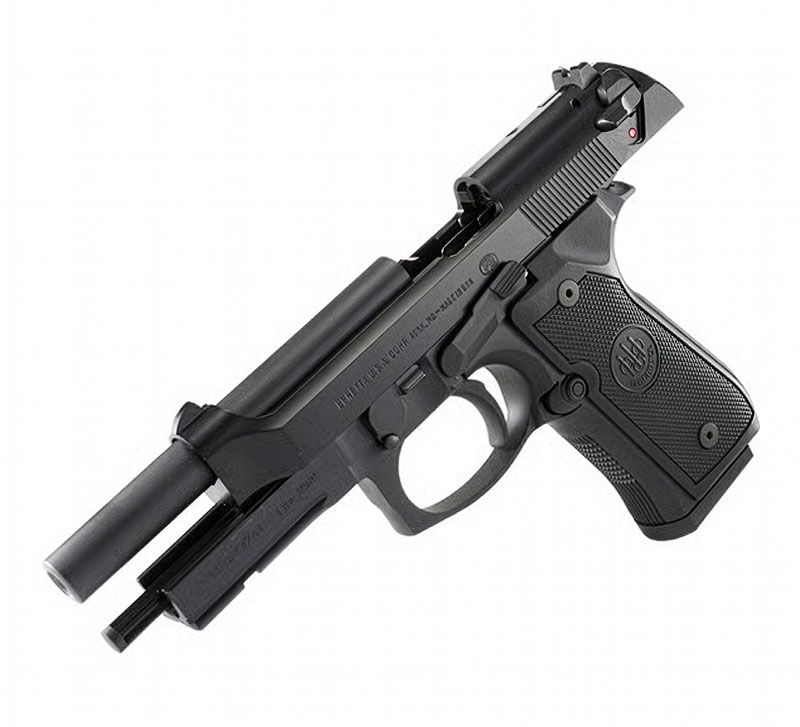
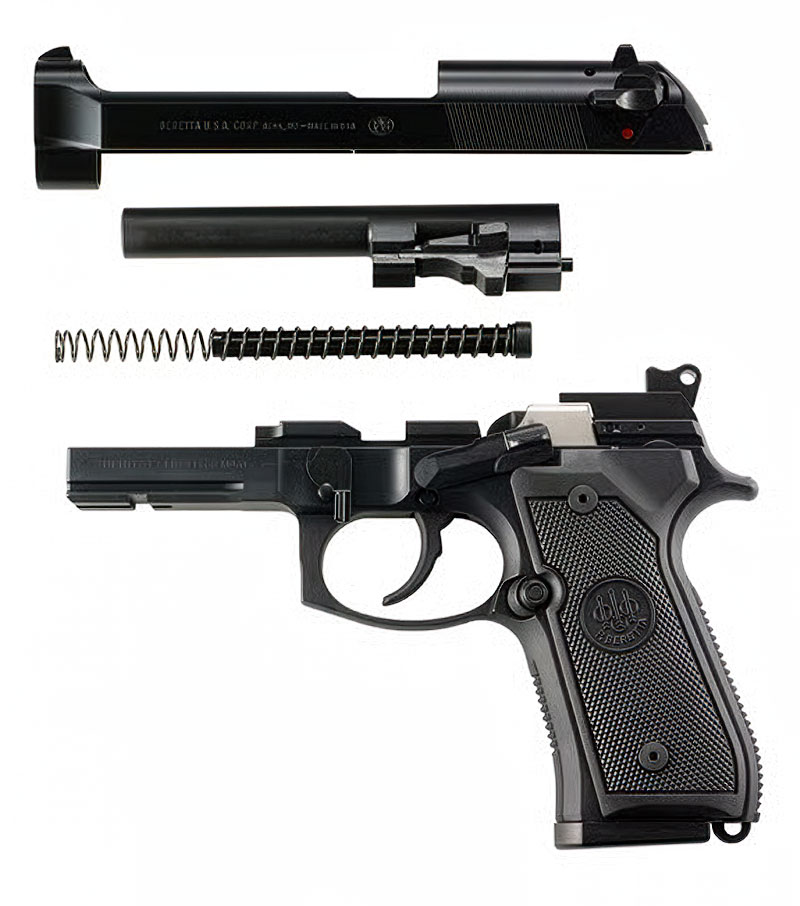
Beyond the rail, the M9A1 also featured some other sensible, if less celebrated, enhancements. The front and backstrap checkering, for example, which is a rather polite way of saying it gives you a better grip, even when one's hands are a bit sweaty. The bevelled magazine well is another of those small touches that makes a genuine difference when you're trying to perform a rapid reload under duress. It’s all part of a larger philosophy: take a proven design and make it slightly more effective in the heat of the moment.
One must also give a small nod to the dual-controlled ambidextrous safety and decocker. It's a feature that has been on the M9 platform for a long time, and while it might not be everyone’s cup of tea, it does provide a certain versatility. And the short reset trigger bar, a detail that only the most dedicated enthusiasts would likely notice, is a welcome improvement for anyone who values a more predictable and consistent trigger pull. It's the kind of thing that makes a good pistol a bit better.
So, here we are. The M9A1 is back. Not with a grand parade or a symphony, but with a quiet announcement. It’s a testament to a design that, despite its quirks and the occasional bit of grumbling, has proven itself to be remarkably resilient. It’s a sidearm that has, for decades, performed its duties without complaint, and it seems there's still a market for a pistol that simply works.
One might even say, with a touch of a stiff upper lip, that the M9A1 is returning to its civilian audience not as a shiny new object, but as a seasoned veteran. It’s a pistol that’s seen a thing or two, and now it’s here for those who appreciate a bit of history, a bit of reliability, and a rather understated approach to things. A fine piece of kit indeed.