The Bundeswehr Starts Receiving The G95
Logan
13 Dec 2025
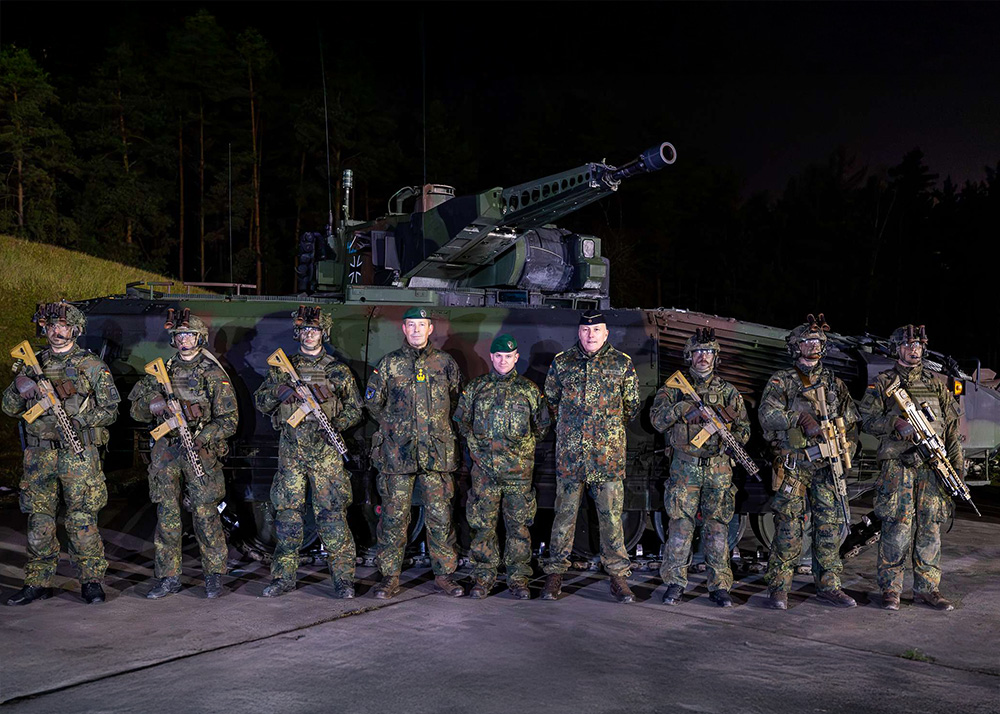
The venerable G36, the German Armed Forces' long-serving standard assault rifle, is finally taking its long-overdue, if perhaps slightly dusty, retirement. After approximately thirty years of dedicated service—from enduring the rigors of muddy recruit training and obstacle courses to facing the heat and dust of combat deployments—this familiar weapon will soon transition into military history. Its successor, the technically robust and proven G95 (a designation for the HK416 variant customized for the German military), is stepping into the breach to become the new standard, symbolizing an unmistakable step toward enhanced operational readiness.
The transition officially kicked off with a notable event at the Grafenwöhr training grounds as reported on December 5, 2025. Panzergrenadier Battalion 122 from Oberviechtach holds the distinction of being the first conventional unit to receive this new instrument of defense. The initial handover was marked by a formal ceremony, underscoring the significance of the shift in standard issue weaponry.
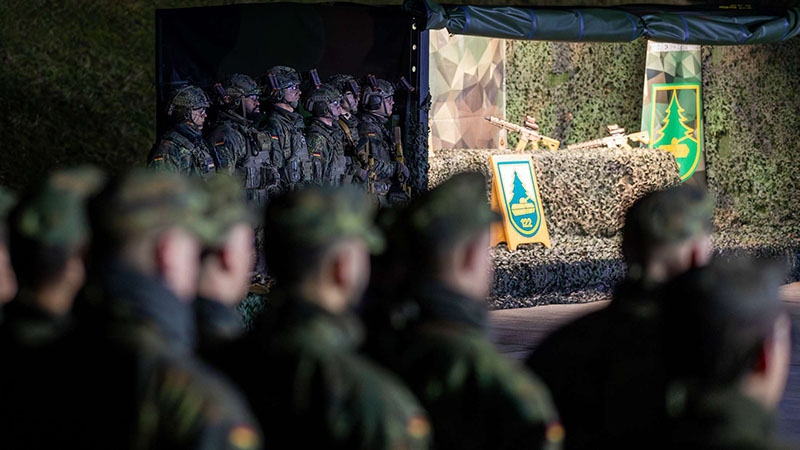
Lieutenant General Heico Hübner, Deputy Inspector of the Army, and Vice Admiral Carsten Stawitzki, Head of the Armaments Department at the Ministry of Defense, were present to welcome the new rifles. Lt. Gen. Hübner was keen to emphasize that the new rifle is not merely "a piece of equipment." He stated, "It is an expression of the highest responsibility: the tool in the core mission of every soldier. It must be absolutely reliable under all circumstances." In the blunt world of marksmanship training, the mantra "Whoever shoots faster and hits their target more accurately wins the firefight" drives the need for this precise and reliable "hardware" upgrade.
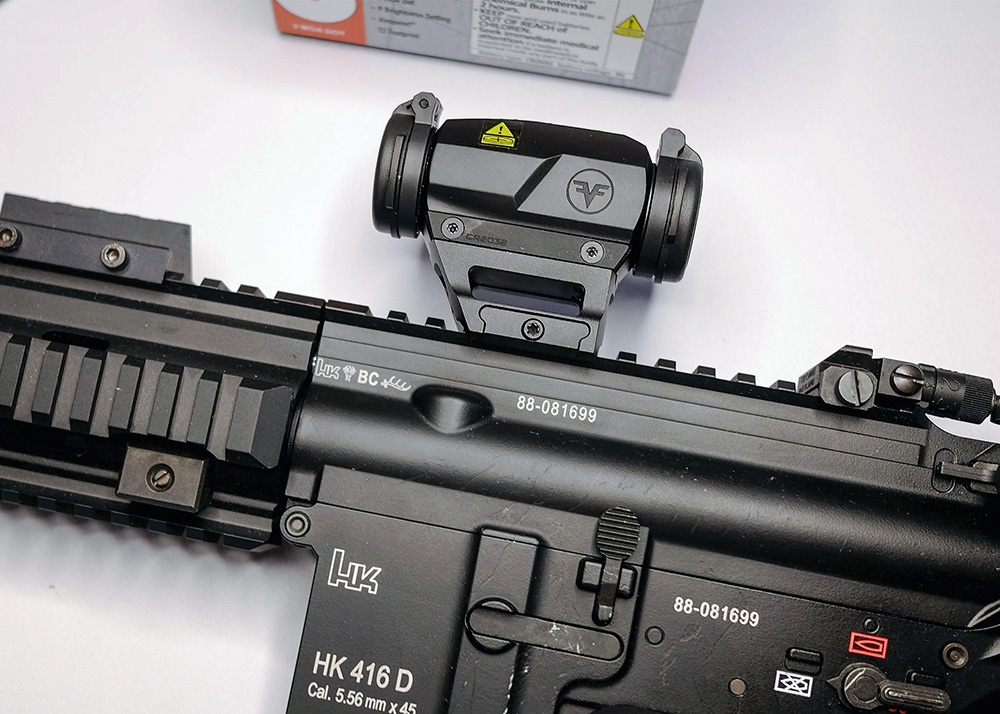
The Bundeswehr set undeniably high standards for the G36's successor, demanding a weapon that would perform flawlessly under the most demanding conditions. After extensive testing, the G95, manufactured by Heckler & Koch, proved it could meet the challenge. It is, essentially, a customized variant of the widely respected HK416 rifle.
This pedigree is noteworthy, as it means the G95 is based on the highly widespread US-American AR-15 design, which also forms the basis for many NATO standard rifles. This structural commonality offers a distinct advantage: soldiers already familiar with similar platforms, such as the Bundeswehr's own G27 and G28, will find training simplified, as the basic handling and controls remain consistent across these weapon systems. This standardization is less about military conformity and more about reducing the learning curve for troops, allowing them to focus on fighting rather than fiddling.
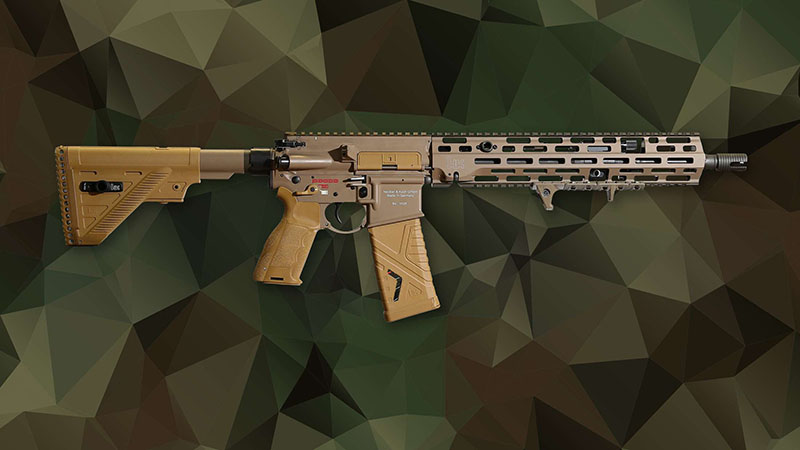
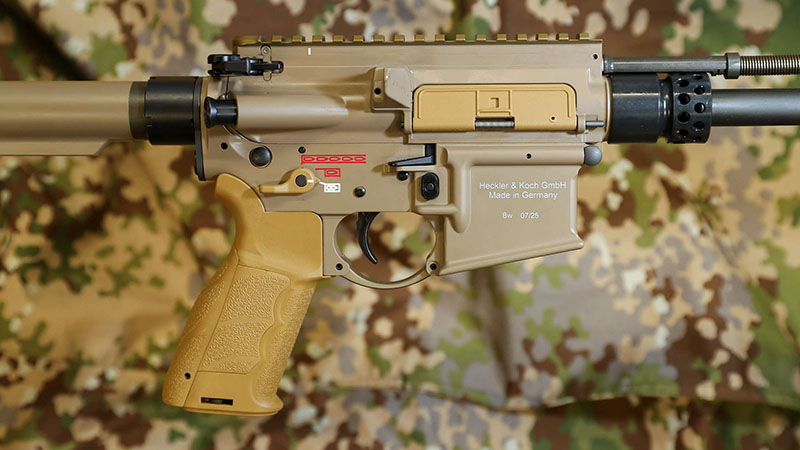
One of the most immediate differences from its predecessor is the G95's construction. Primarily made of metal, this design choice translates to superior robustness and durability. The metal frame contributes significantly to the rifle's high precision by providing a stable shooting platform—a welcome change for anyone who has ever suspected their polymer rifle had a slight wobble on a bad day. Furthermore, the rifle's durable barrel is designed to ensure accuracy, even when subjected to the heat generated by rapid firing.
The weapon will be issued with either a standard muzzle flash suppressor or a signature suppressor, the latter being reserved only for specialized forces—because silence, as they say, is golden, but only for the elite.
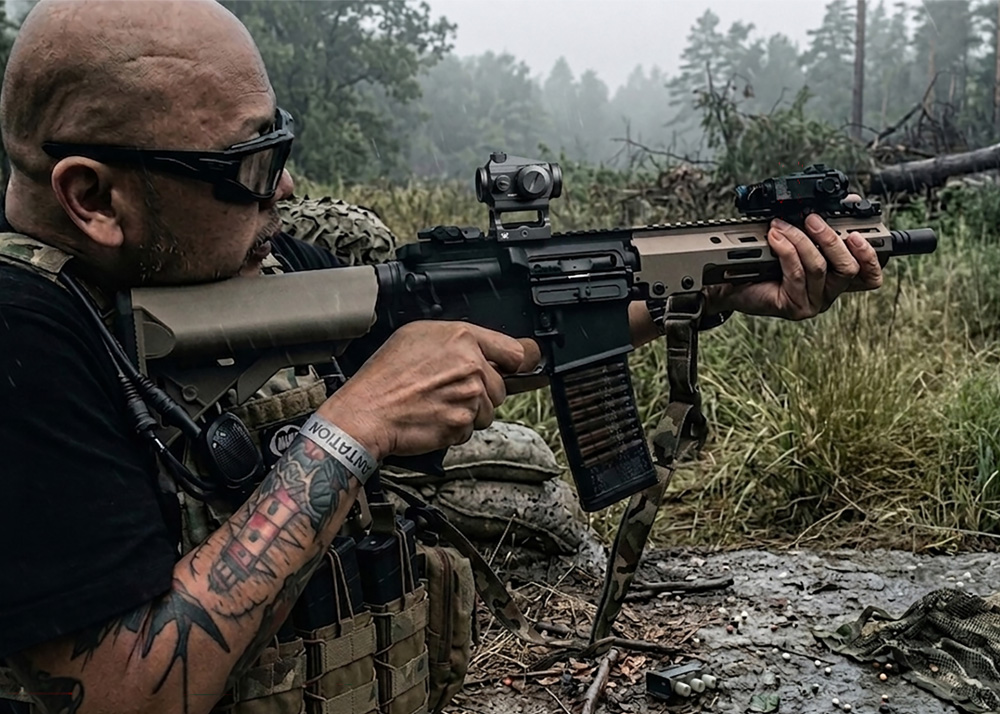
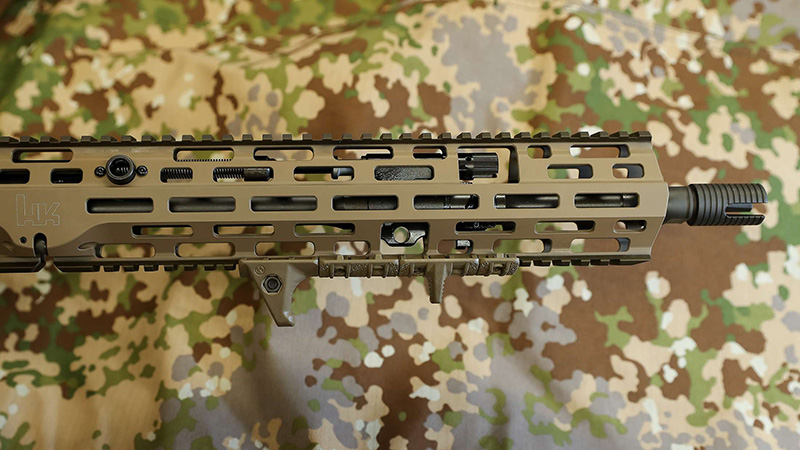
In the modern battlespace, a rifle is only as good as its attachments. The G95 embraces this principle wholeheartedly. The rifle's handguard features STANAG 4694 rails—a universal NATO interface—for effortless mounting of various accessories. This is essentially the weapon equivalent of having plenty of USB ports.
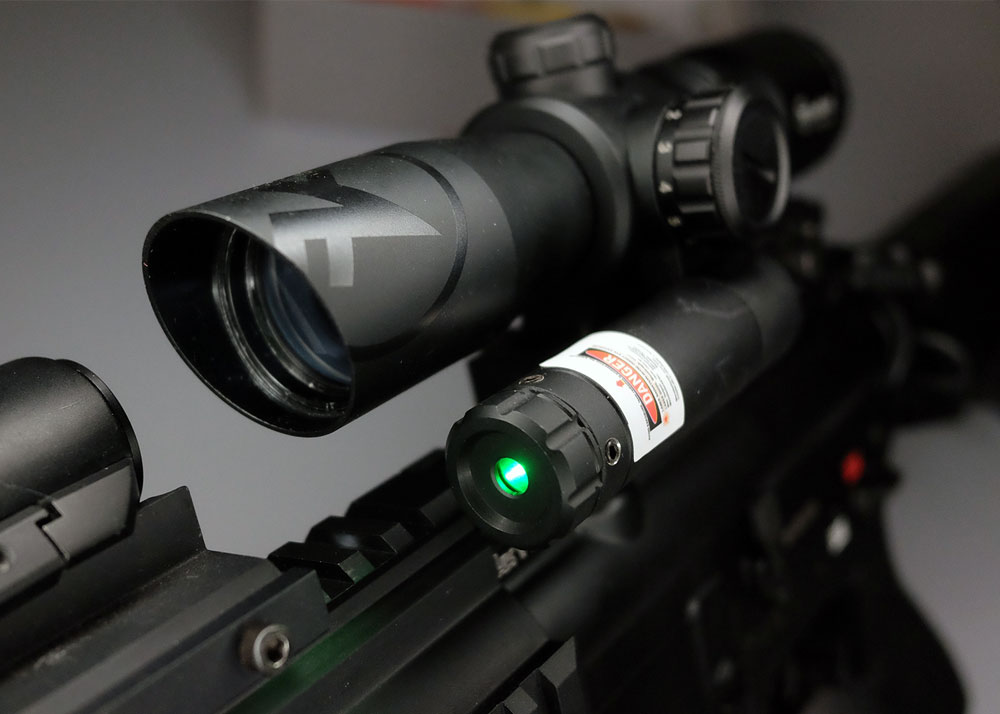
Among the standard attachments is the new ELCAN Spectre DR 1-4x optic, allowing the user to seamlessly transition from a 1x magnification for close-quarters engagement to 4x for reaching out and touching targets at longer ranges. This is complemented by a reflex sight for quick target acquisition. Should both fail, a set of folding iron sights, mounted at a 45-degree angle, provides a reliable emergency backup.
Beyond sighting systems, the G95 will come standard with a laser light module (LLM). This is crucial for operations in low-light conditions, providing both illumination and an aiming assist. The generous rail system also allows for attaching a handstop, improving grip and control.
For extended operational capabilities, the system accommodates a bipod, as well as sophisticated image intensifiers and thermal imaging devices for superior combat effectiveness in the dark. And for those moments when an ordinary bullet just won't do, the option to attach a launcher for 40mm grenades ensures the soldier has an answer for particularly tough tactical dilemmas.
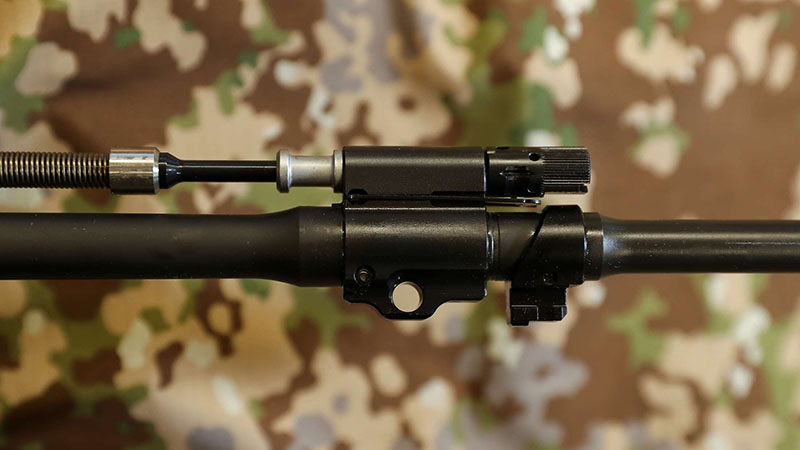
While structurally similar to the AR-15, the G95 retains a specific operational refinement: it employs an indirect gas-operated system with a rotating bolt. This means that a portion of the hot gases from firing is routed through a gas port to drive a gas piston, which in turn cycles the weapon.
The distinct advantage of this system is its inherent cleanliness. The hot, dirty gases are not funneled back directly into the bolt carrier group to trigger the cycling action, as in a traditional direct impingement system. Instead, they merely push the piston. This engineering choice keeps the functionally vital internal components of the weapon remarkably free from the carbon fouling and contamination that can impair reliability—a truly desirable trait in any firearm.
The Bundeswehr will receive the G95 in two main variants for the general troops: the G95A1 with a 16.5-inch (419 mm) barrel and the G95KA1 with a 14-inch (355 mm) barrel. The longer barrel naturally gives the projectile more time to gain velocity, which translates to superior long-range performance. However, the shorter G95KA1 is considerably more compact, making it easier to maneuver indoors or when stowed in the tight confines of combat vehicles. Consequently, the G95KA1 is expected to be the most common issue rifle for most soldiers.
These variants are distinct from the already-issued G95K, a shortened version in use by the Special Forces Command since 2019. Furthermore, a cosmetic but tactical change has been implemented: the G95 is no longer black, but rather a greenish-brown color. This shift is practical, as black has a higher Infrared (IR) signature, making the weapon easier to detect under night vision—a small detail that can make a big difference when trying to remain inconspicuous.
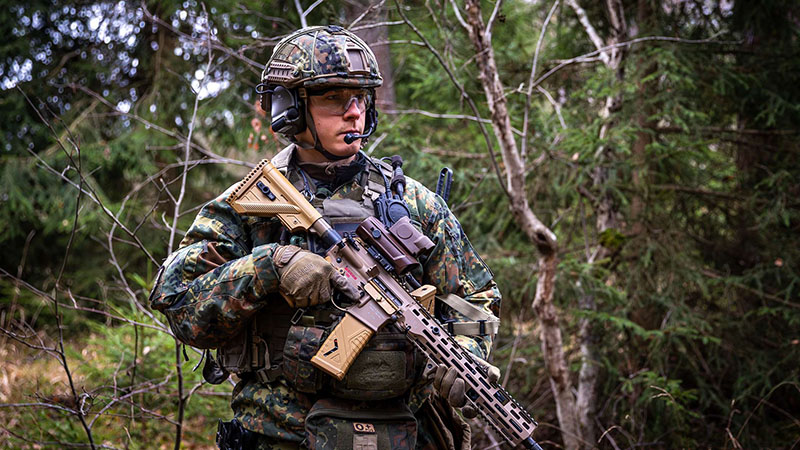
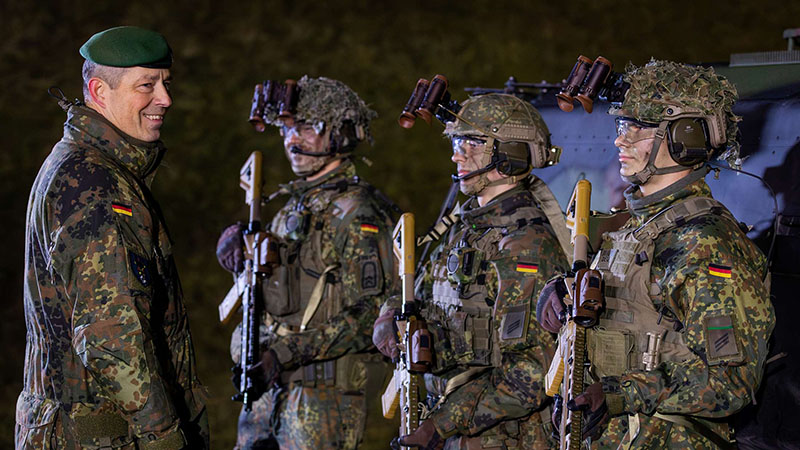
Sergeant Major Alex S. and Corporal Mike K. of the 4th Company of Panzergrenadier Battalion 122 were among the first to test the rifle with live ammunition. Their initial reports were encouraging. Alex S., an experienced Panzergrenadier, immediately praised the improved ergonomics: "I immediately noticed that the G95 has better weight distribution. Compared to the G36, it's not as front-heavy. This allows you to maintain a shoulder position for longer, and you don't have to lower your aim as much."
Mike K. highlighted the practical advantages of the weapon's slimmer profile and magazines: "The magazines are easier to draw. This improves handling during loading." He also reported a definite "improvement in shooting performance." While the charging handle's new location at the rear of the receiver requires a slight adjustment for soldiers accustomed to the G36, the consensus is one of positive adaptation.
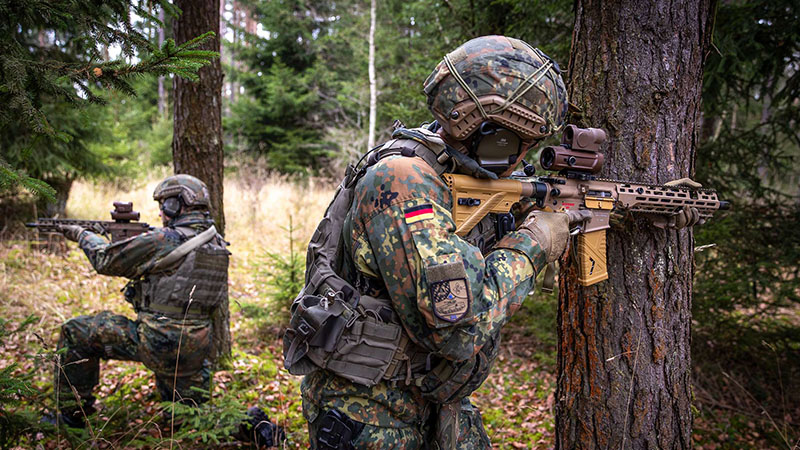
The changeover from the G36 to the G95 is, predictably, not a small undertaking. With a final allocation of 25 million euros approved in the budget, the armed forces can initially order a substantial volume of new rifles—up to 250,000 units—from the manufacturer. Industry partners are now working to increase production capacity to ensure the troops are equipped as swiftly as possible. This investment signals a serious and tangible commitment to modernizing the soldier's basic toolkit.
With the initial deliveries complete and positive first impressions secured, the troops are now embarking on an intensive training phase. Every soldier must become intimately familiar with the safe and reliable operation of the G95. The era of the G36 is indeed drawing to a close, but the deployment of the G95 marks the dawning of a new, well-equipped chapter for the German Armed Forces—proving that sometimes, the simplest of tools is the most important expression of a military’s commitment to its mission.
Photo credits: Bundeswehr