DJI's OSMO Nano Goes After The Insta360 Go Ultra In The Tiny Action Camera Space
Logan
25 Sep 2025
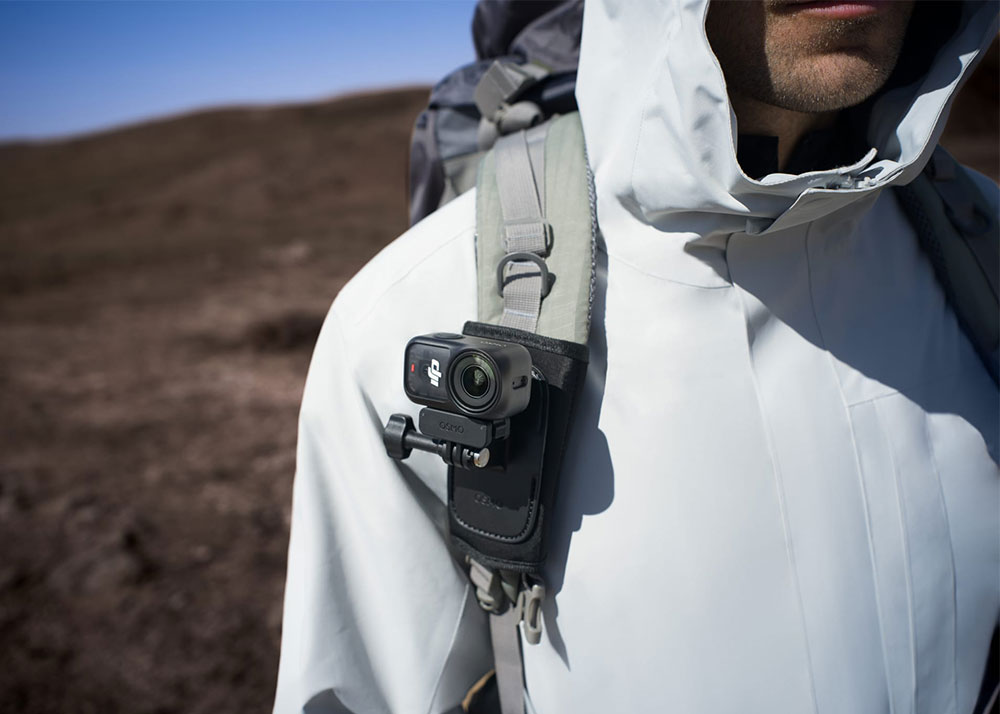
The folks at DJI, typically known for their sophisticated flying machines, have once again descended from the skies to shake up the ground-level camera game. Their new offering, the Osmo Nano, isn't a drone that got lost on the way to its landing pad; it's a tiny, wearable camera that promises to be a creator's best friend. Think of it as the camera equivalent of a reliable sidekick, ready to capture life's adventures without getting in the way. This device, with its miniature form factor and magnetic mounting system, is a clear statement of intent from DJI, aiming to make high-quality, hands-free video a staple, not a novelty.
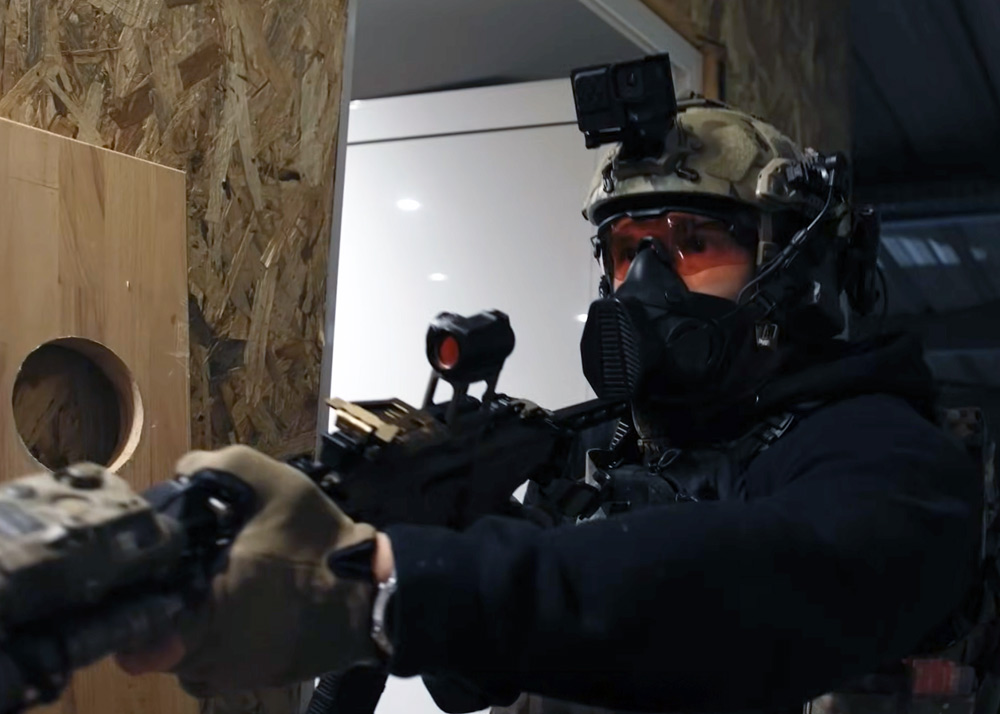
For airsoft YouTubers looking for a versatile action camera that can be worn in almost part of their loadout, then the OSMO Nano is a compelling option in the action camera market. This little guy is so small and light they can stick it on their helmets, your rifles, or even their teammate's back without them noticing. They’ll finally be able to get those sweet, sweet first-person shots of you getting totally lit up on the field, all while their opponents wonder why they're being filmed by a tactical Tic-Tac.
Seriously, if you're an airsoft YouTuber, the OSMO Nano is the perfect way to up your game without looking like you're auditioning for a sci-fi movie. It's so good, you'll probably forget you're wearing it until you get home and realize you have 2 hours of footage of your teammate fumbling with his magazine. And with its versatility, you'll be able to capture every hilarious moment, from your epic flank to your even more epic fail.
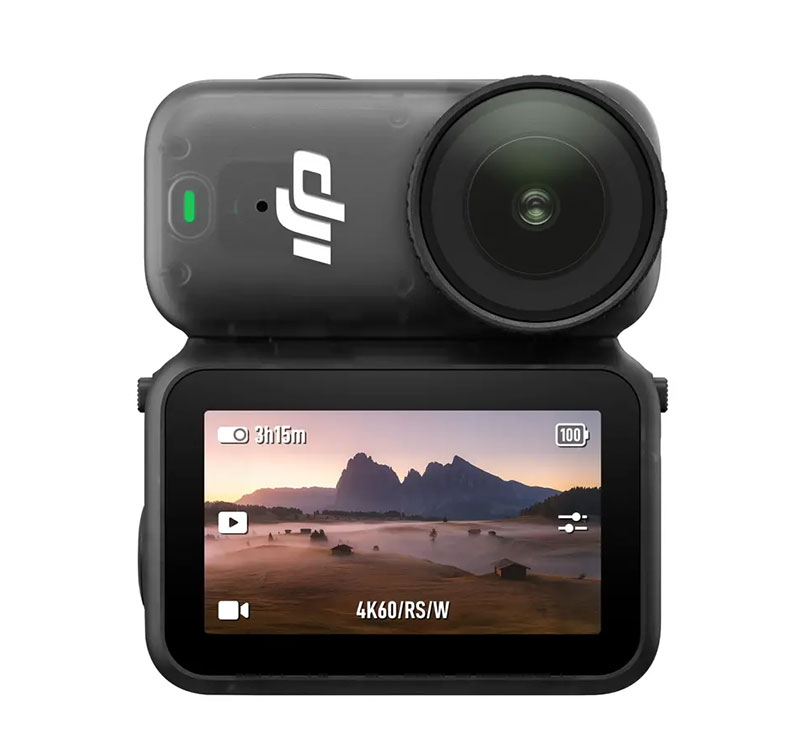
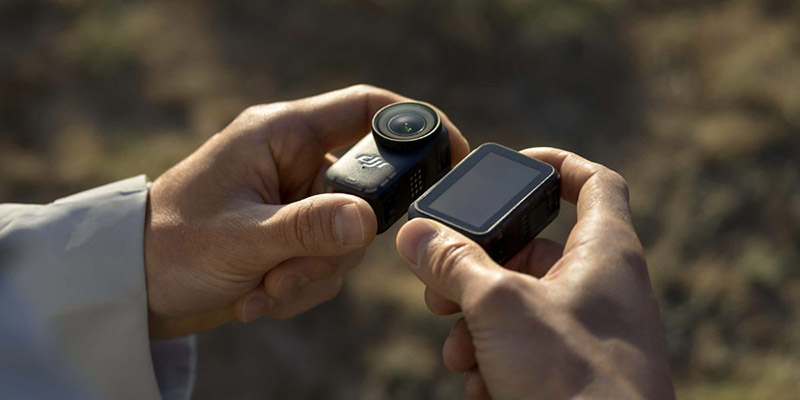
The core of the Osmo Nano's appeal is its sheer portability. At a featherweight 52g, it's about as unobtrusive as a camera can be, designed to disappear onto a hat, a helmet, or even a pet's collar. The dual-sided magnetic design is a stroke of genius, making the process of attaching and detaching the camera as simple as snapping two magnets together. This is a far cry from the clunky mounts of yesteryear, which often felt like a Rube Goldberg contraption just to get a stable shot. The Osmo Nano's design philosophy seems to be "set it and forget it," allowing users to focus on the moment rather than fiddling with their gear.
But let's be real, a tiny camera is only as good as the pictures it takes. And here, the Osmo Nano throws down the gauntlet with a next gen 1/1.3-inch sensor. This is a significant piece of hardware for a camera of this size, promising superior image quality and low-light performance that could previously only be found in larger devices. Paired with a high-performance image processor, the Osmo Nano boasts a dynamic range of 13.5 stops, which, for those of us who don't speak fluent camera jargon, means it can handle a wide variety of lighting conditions without blowing out the highlights or losing detail in the shadows.
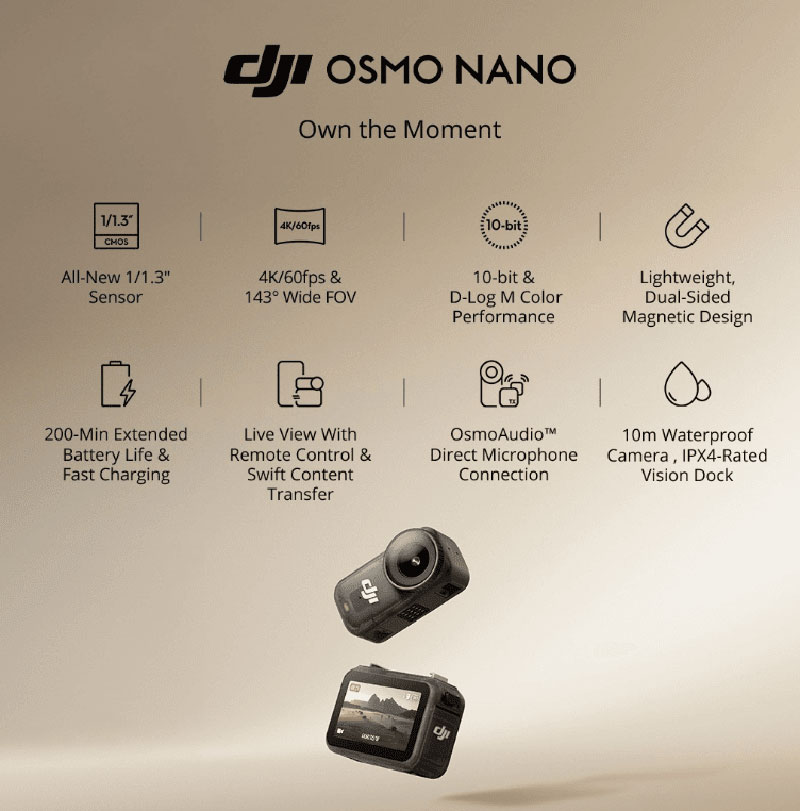
This impressive sensor tech is what truly separates the Osmo Nano from the pack. It can capture video at a crisp 4K/60fps and even do 4K/120fps slow motion, which is a neat party trick. The 143° ultra-wide field of view ensures that nothing is left out of the frame, perfect for those first-person perspective shots. Perhaps even more compelling for serious creators is the inclusion of 10-bit and D-Log M color performance. This is the kind of professional grade feature you'd expect on a much larger camera, and its presence on the Osmo Nano gives it a leg up in post-production, allowing for greater flexibility and color grading.
Of course, DJI isn't the only player in this sandbox. Their old rival, Insta360, has been making waves with its own line of wearable cameras, most notably the Go Ultra. The Go Ultra is a worthy contender, and its focus on an even smaller form factor and AI-powered editing is a compelling proposition. However, the Osmo Nano's larger sensor and the promise of that rich 10-bit and D-Log M color profile present a significant challenge. It seems DJI is betting that image quality and a streamlined workflow with the Multifunctional Vision Dock will win the day.
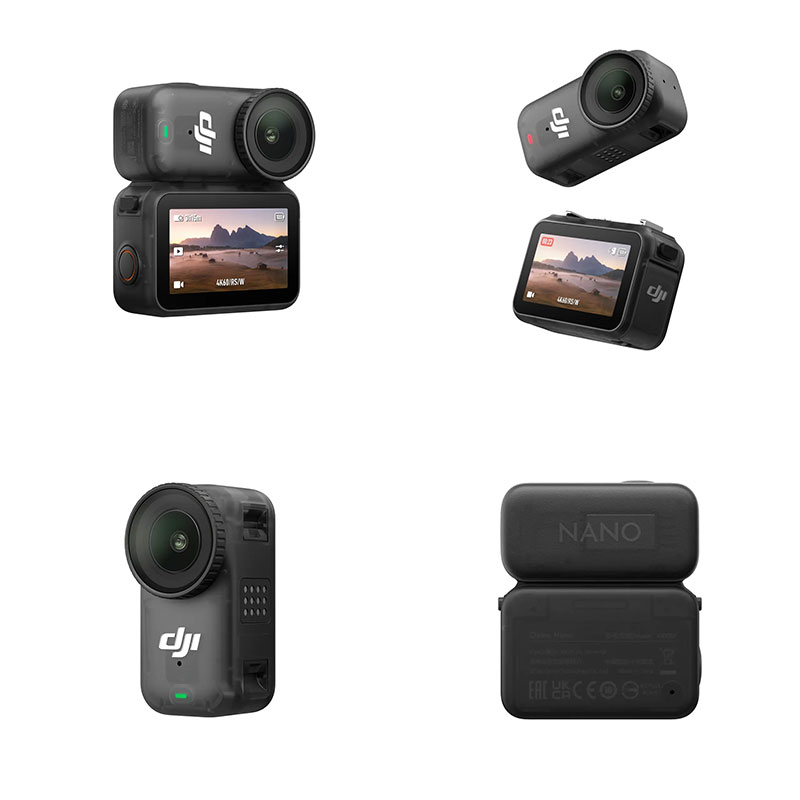
Speaking of the Multifunctional Vision Dock, this isn't just a simple accessory; it's the Osmo Nano's command center. The dock houses an OLED HD touchscreen, allowing for remote control of the camera, a function that’s as useful as it is necessary for a wearable device. It also serves as a fast-charging station, getting the camera up to 80% battery in just 20 minutes, which is faster than most of us can decide what to order for lunch. The dock also includes a microSD card slot and can transfer files at a zippy 600 MB/s, making the entire process of shooting, charging, and transferring a remarkably seamless experience.

The audio capabilities of the Osmo Nano also deserves a mention. With dual built-in microphones for stereo recording, it captures a more immersive soundscape than a single-mic setup. And for those who are serious about sound, the OsmoAudio Direct Microphone Connection allows for the direct connection of two DJI microphone transmitters, bypassing the need for a separate receiver. This feature is already available in the newest Osmo cameras such as the Osmo Pocket 3, Osmo Action 5, and the Osmo 360. This is a clever design choice that further simplifies the setup and ensures that the audio quality lives up to the video quality, a pairing that isn’t always guaranteed in the action camera world.
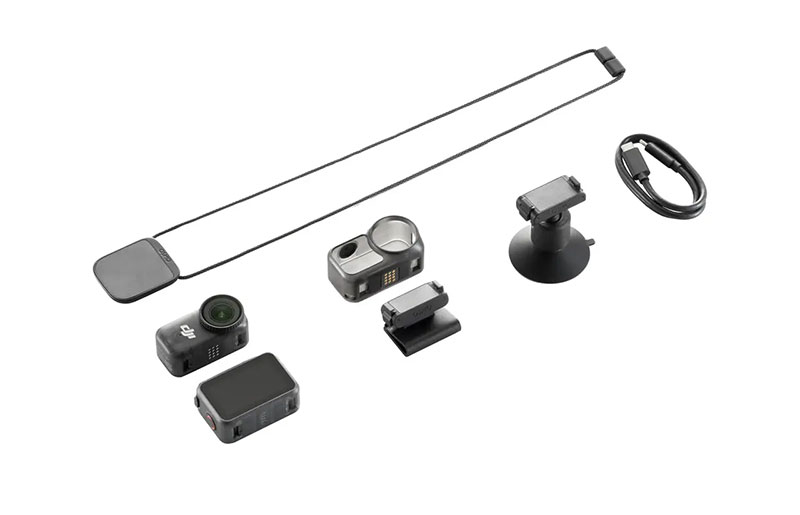
For all its technical prowess, the Osmo Nano isn’t just a device for the pros. Its various shooting modes, like Horizontal & Vertical Shooting, Auto Recording, and Gesture Control, make it accessible to everyone. The Pre-Rec feature, which saves footage from before the record button is pressed, is particularly handy for capturing those blink-and-you-miss-it moments. DJI is offering two configurations, a 64GB version and a 128GB version, and they've also made a range of mounting accessories available separately, acknowledging that one size rarely fits all when it comes to creative expression.
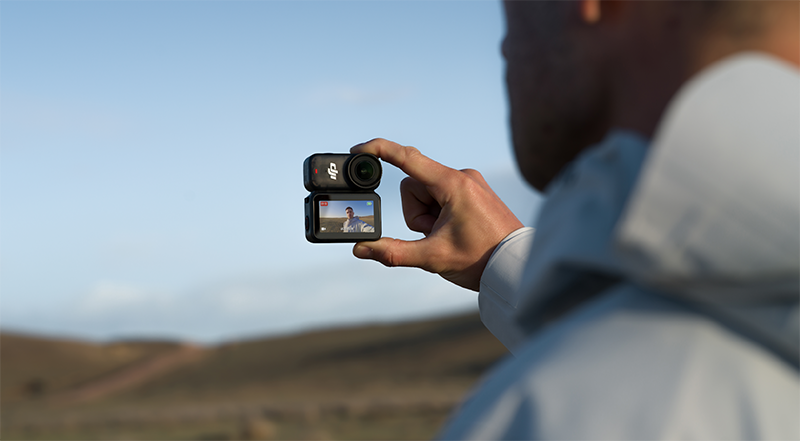
In the end, the DJI Osmo Nano is more than just a camera; it's a tiny powerhouse that brings professional-grade features to a form factor that encourages creativity and spontaneity. While Insta360's Go Ultra has carved out its own niche, the Osmo Nano's focus on a larger sensor and advanced color performance provides a compelling alternative. It's a reminder that sometimes the best way to make a big impact is to start small.