The Gearhead Gunsmith Nambu "Tensei" Project
Logan
14 Feb 2026
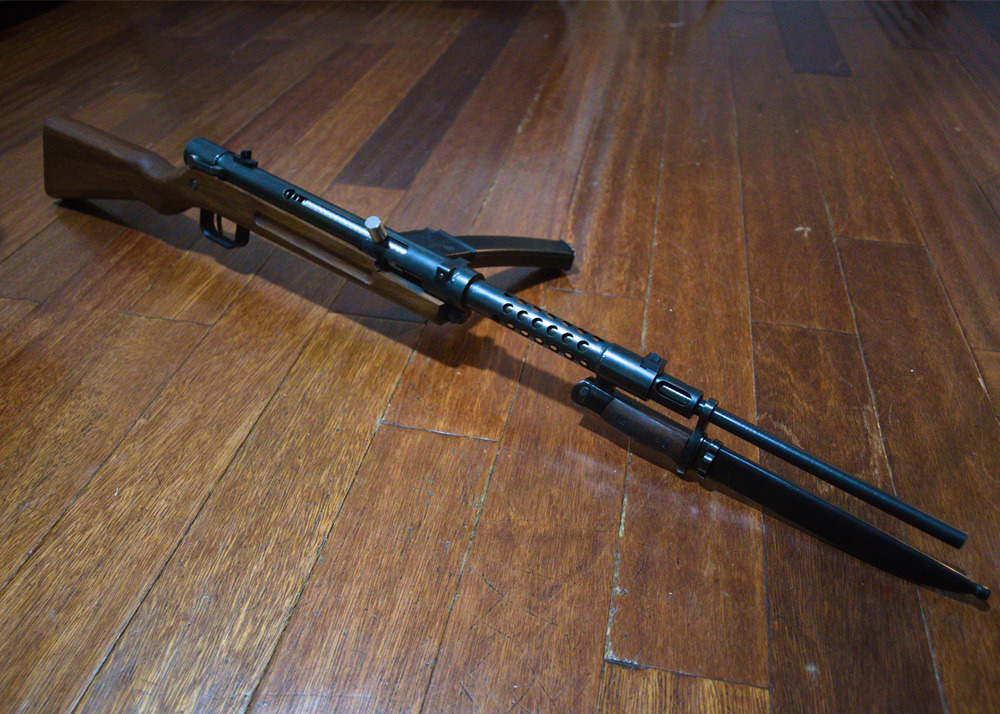
The SHOT Show floor is often a sea of modular polymer and tactical matte black, but the 2026 exhibition saw the return of a project that feels more like a labor of historical love than a mere product launch. The Nambu "Tensei" Project, spearheaded by Charles Calleja of Gearhead Gunsmith, made its second major appearance after debuting in 2025. This project is the culmination of a journey that began with a teenager gripped by the digital grit of “Call of Duty: World at War” and other video games that featured the Pacific Theater of World War II. For those who spent 2008 sprinting through virtual Pacific jungles, the Type 100 was the gold standard of submachine guns, leaving a lasting impression that eventually followed Calleja from the screen to the machine shop.
Here is Forgotten Weapons with Charles Calleja at the SHOT Show 2026 checking the project out:
To understand the obsession, one must look at the rarity of the source material. The Type 100 (Hyaku-shiki kikan-tanjū) holds the distinction of being the only submachine gun Japan produced in any notable volume during World War II. While European powers were churning out millions of stamped-steel room-clearers, Japan remained tethered to a traditional bolt-action doctrine. Early efforts in the 1930s were largely experimental, often relying on imported Swiss SIG Bergmanns. It wasn't until Kijirō Nambu’s design was accepted in 1940 that a domestic option existed, though the Imperial Japanese Army initially viewed the weapon as a specialized tool rather than a standard-issue necessity.
The early life of the Type 100 was characterized by an almost bizarre level of craftsmanship for a submachine gun. Between 1940 and 1943, these weapons were outfitted with bipods, bayonet lugs, and tangent sights calibrated to an optimistic 1,500 meters. However, as the tide of war shifted in 1944, the design underwent a drastic simplification. The bipods vanished, the sights were fixed, and the finish became notoriously rough. Despite these changes, the 8x22mm Nambu cartridge provided a smooth, controllable rate of fire, even if it lacked the punch of the American .45 ACP. By the war’s end, fewer than 9,000 had been produced, making them a ghost in the real world compared to their ubiquity in modern media.
The official website of Gearhead Gunsmith explains Calleja’s path to reviving this ghost began in earnest in 2015 while apprenticing at a machine shop in El Segundo, California. Developing a knack for manual machining and a friendship with a mentor who shared his affinity for classic manufacturing, he started small by fabricating firing pins and barrels for obsolete antiques. This period eventually evolved into building functional semi-auto carbines from surplus parts kits. Working on British Stens and Polish PPS-43s provided the technical foundation needed to eventually tackle the most elusive project of all: a Nambu clone that people could afford to shoot.
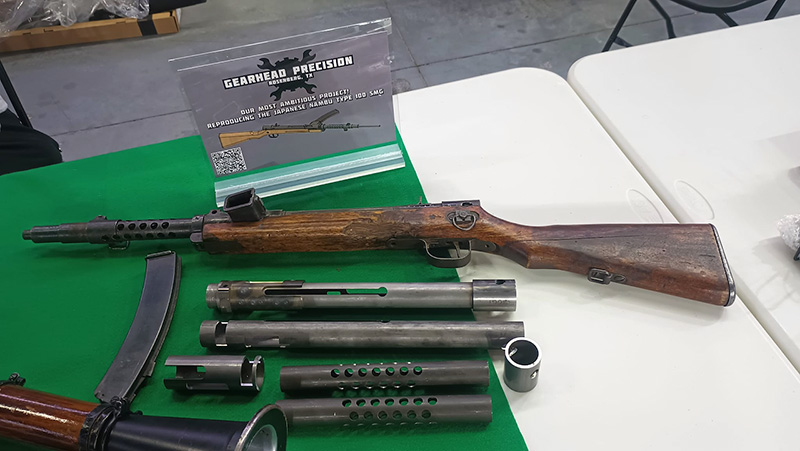
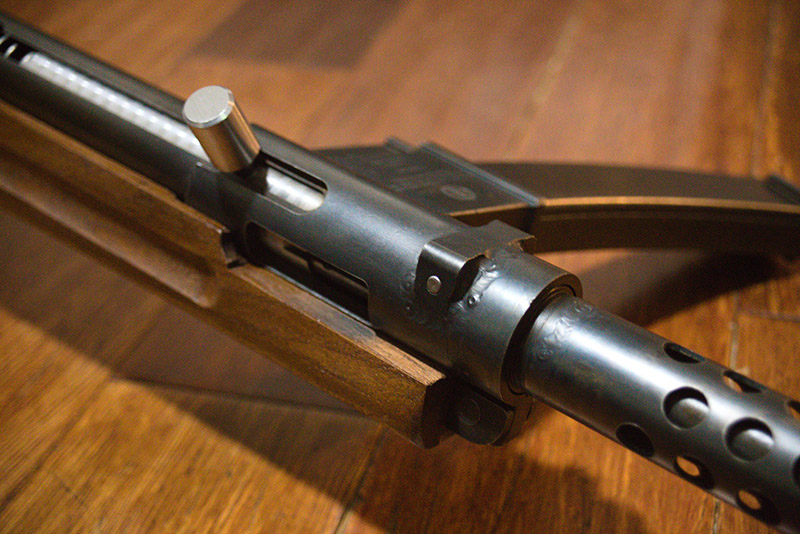
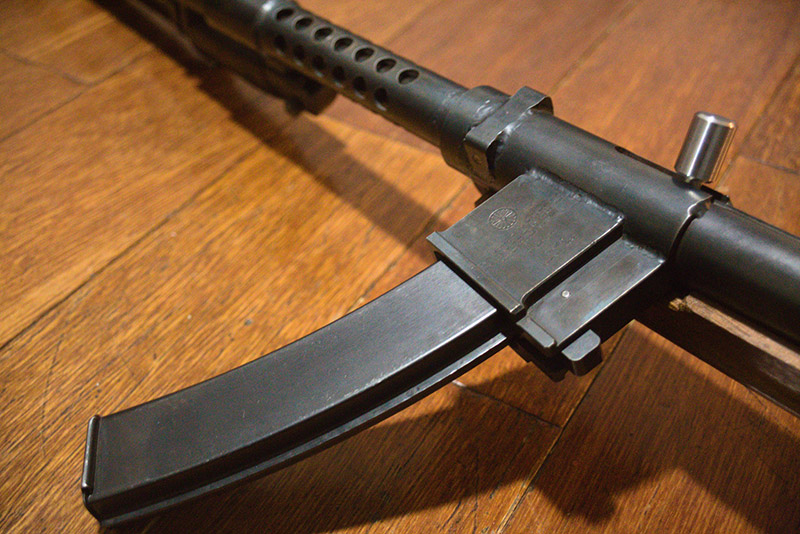
The project shifted from theory to research during a 2017 family trip to Honolulu. A visit to the Fort DeRussy museum allowed Calleja access to a rare late-war Type 100/44. Granted entry into the archives, he spent hours documenting the weapon’s geometry. While these 2D measurements and photographs were a goldmine, a 3D breakthrough didn't occur until early 2024. A tip from a California auction house led to the discovery of a demilled barreled action. After a quick drive and some intense negotiation, Calleja secured the piece, spending the following week in a 14-hour-a-day CAD marathon to digitally preserve the original’s dimensions before the matching stock was eventually recovered.
Transitioning from a museum piece to a modern, legal firearm required a heavy dose of pragmatism. The "Tensei" (meaning "rebirth" or "reincarnation") is designed as a semi-automatic Pistol Caliber Carbine (PCC) that maintains the aesthetic profile of the Nambu while ditching the headaches of 1940s logistics. Since 8mm Nambu ammunition is now roughly as common as unicorn feathers, the Tensei is chambered in the ubiquitous 9x19mm. To keep the project viable, Calleja utilized "inch-standard" materials available in the U.S., ensuring that the rifle isn't just a display piece, but a tool that can be manufactured and maintained without requiring a dedicated Japanese arsenal.
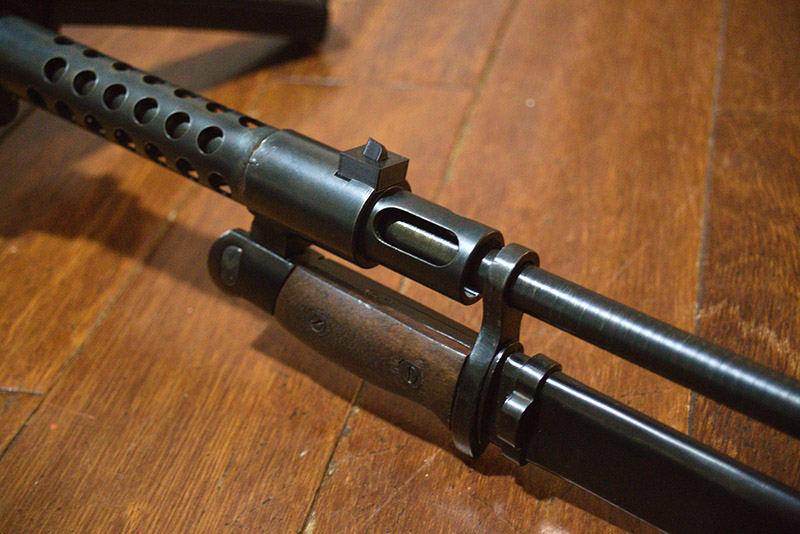
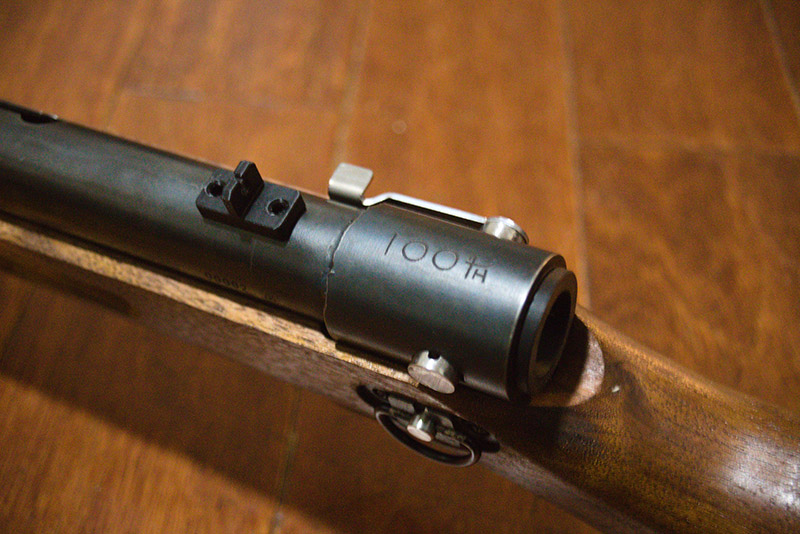
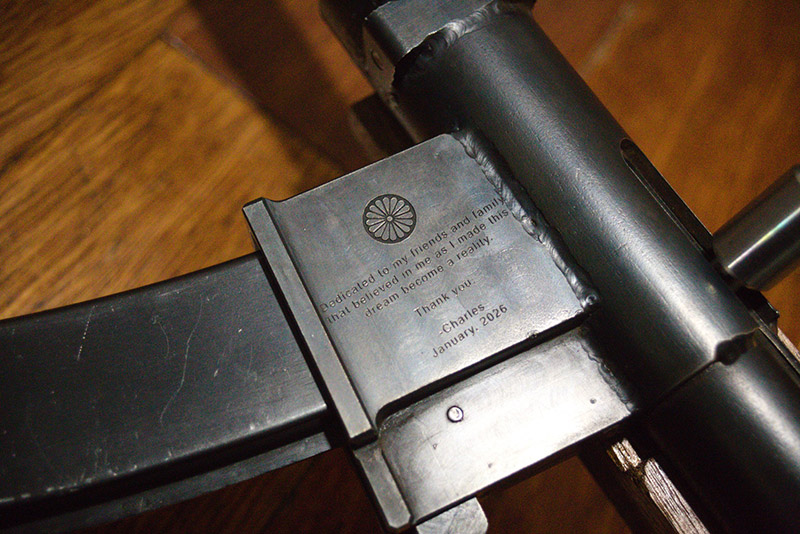
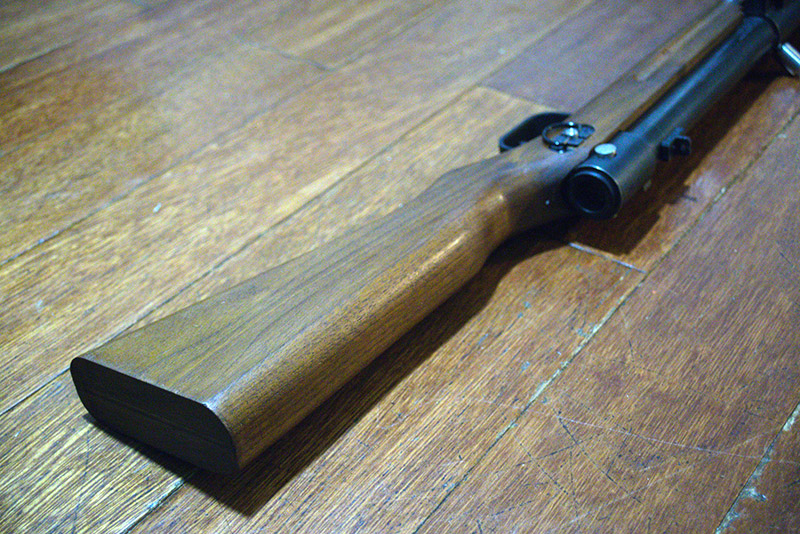
The engineering behind the Tensei is a clever compilation of mid-century designs. Borrowing the extractor and fire control logic from the Sten and the bolt geometry from the PPS-43, Calleja created a hybrid that feels historically authentic but functions with modern reliability. A major highlight for enthusiasts is the use of standard PPS-43 magazines, which mimic the curved look of the original Nambu mags without the triple-digit price tag. Furthermore, the integration of AR-15 firing pins and ejectors means that if a part breaks, the owner can find a replacement at nearly any local gun store rather than waiting for a custom-machined miracle.
Despite a massive cross-country move from California to Rosenberg, Texas, that temporarily halted production, the project has reached the finish line with a surprising focus on accessibility. At SHOT Show 2026, the project was revealed with a retail price point of approximately $1,250. In a market where historical clones often carry price tags that rival a used sedan, this approach has earned Gearhead Gunsmith significant praise. The goal was clearly to move the Nambu out of the hands of the elite few and onto the firing lines of everyday enthusiasts who grew up seeing the weapon through a television screen.
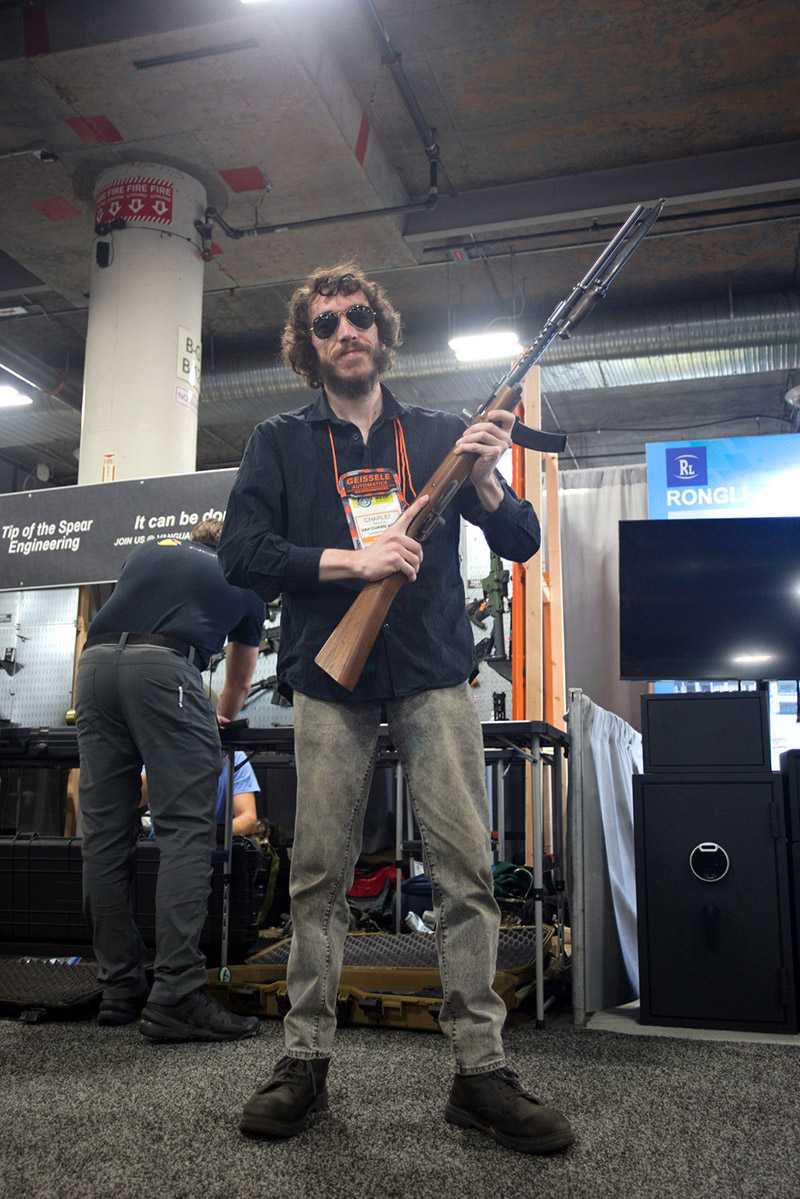
The Nambu Tensei Project represents a successful bridge between digital nostalgia and physical craftsmanship. By converting the platform to a legal closed-bolt, semi-auto system and updating the internals for the 21st century, Calleja has solved the "unobtainable" problem that has plagued Pacific Theater collectors for decades. It is a refreshing reminder that with enough CAD hours and a bit of mechanical ingenuity, even the rarest ghosts of the Second World War can be brought back for an encore.
All photos are from The Gearhead Gunsmith Facebook Page.
Note: There is an airsoft version of the Nambu Type 100/40 which is made by S&T Armament.