Operation Stonebreaker: An Authoritative Account of Border War 17
Border War Mil…
27 Sep 2025
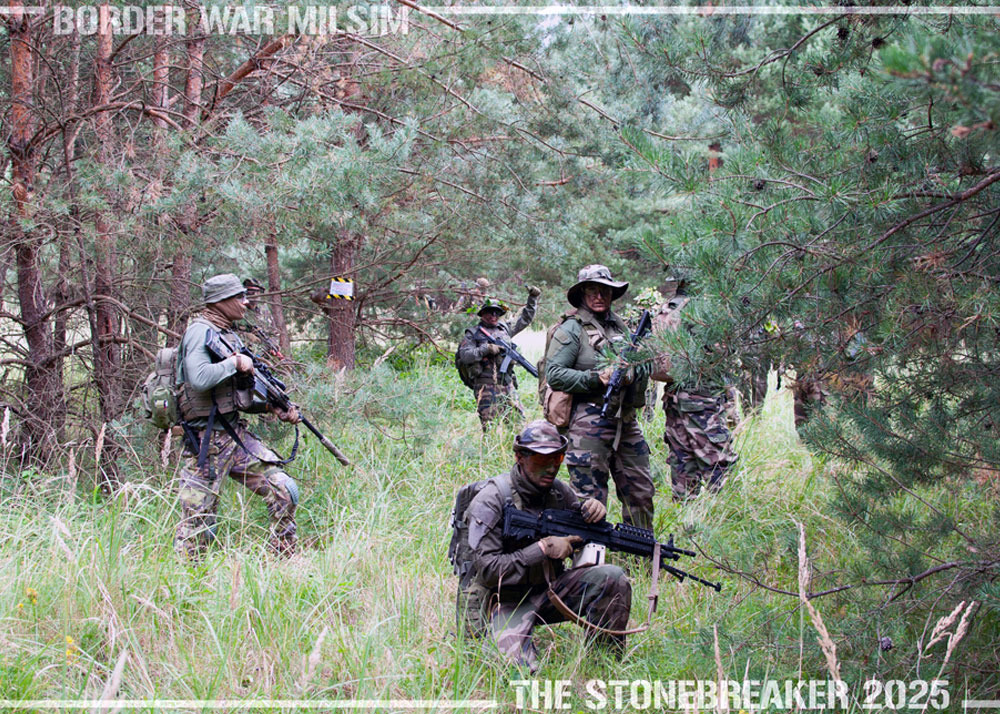
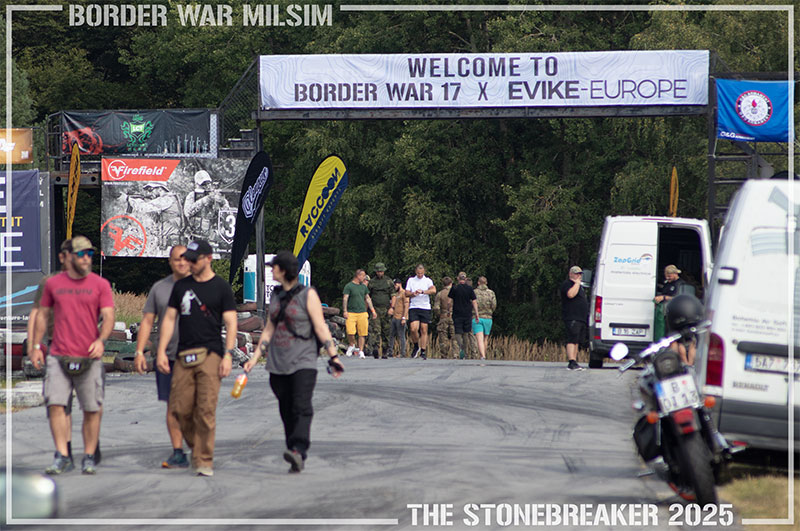
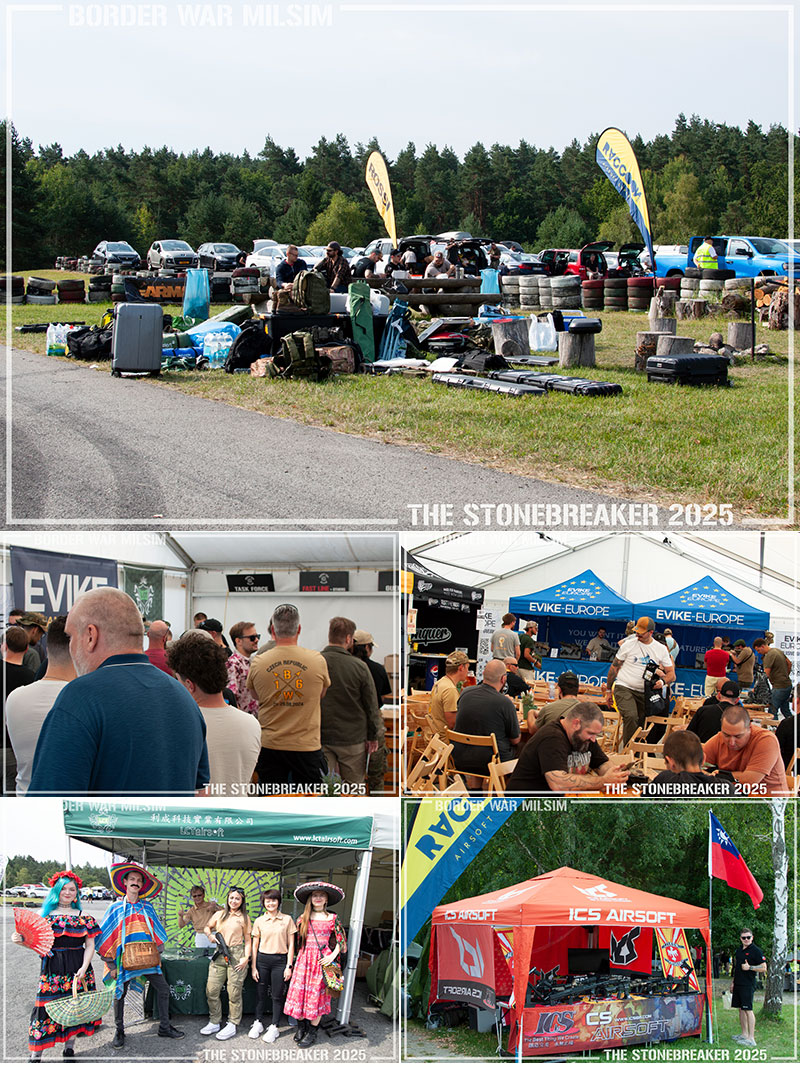
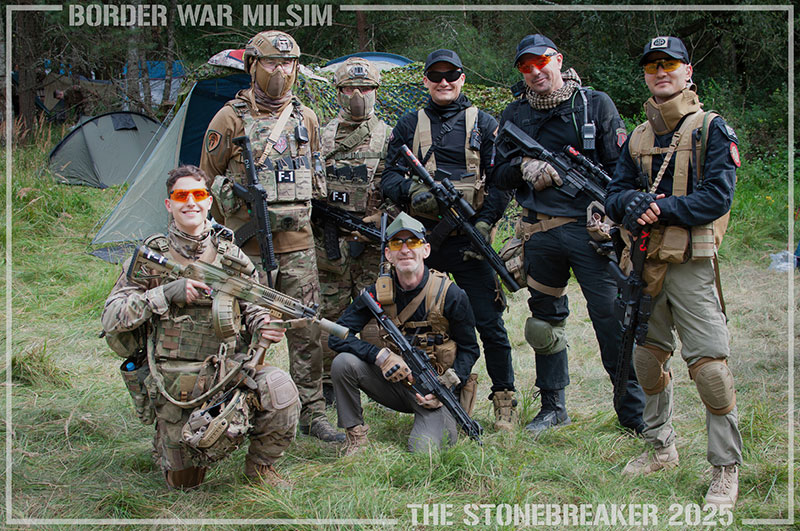
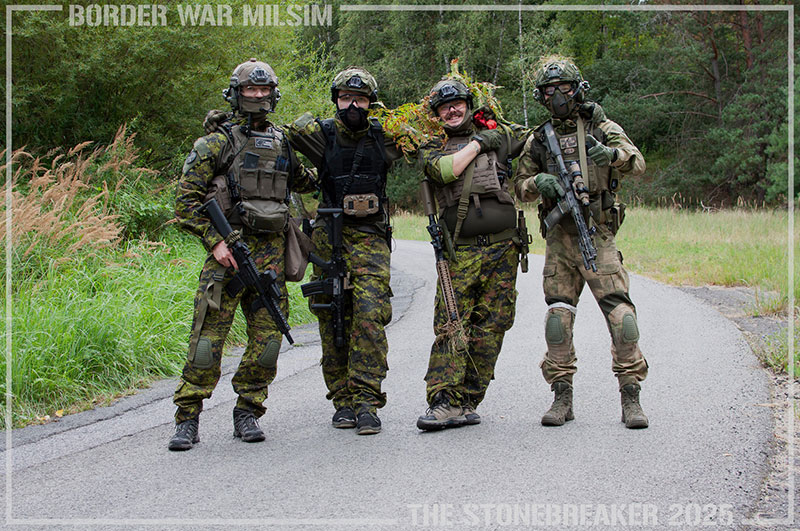
The 50-hour continuous Military Simulation (MILSIM) engagement known as Border War 17 "Operation Stonebreaker," unfolded across the rugged terrain of the Sierra Verde Area of Operations (AO) between 21-24 September 2025. This sprawling, high-stakes scenario pitted the consolidated efforts of a multi-agency Task Force, DEA operatives, and the elite Special Operations Group (SOG) against a determined coalition of Rebel Forces and Cartel Units. The narrative, a dense tapestry of counter-narcotics, covert reconnaissance, and pitched battles, was further complicated by the inclusion of civilians and embedded roleplayers, lending a crucial layer of immersive complexity and political intrigue to the operation.
The Strategic Mandate of the Task Force
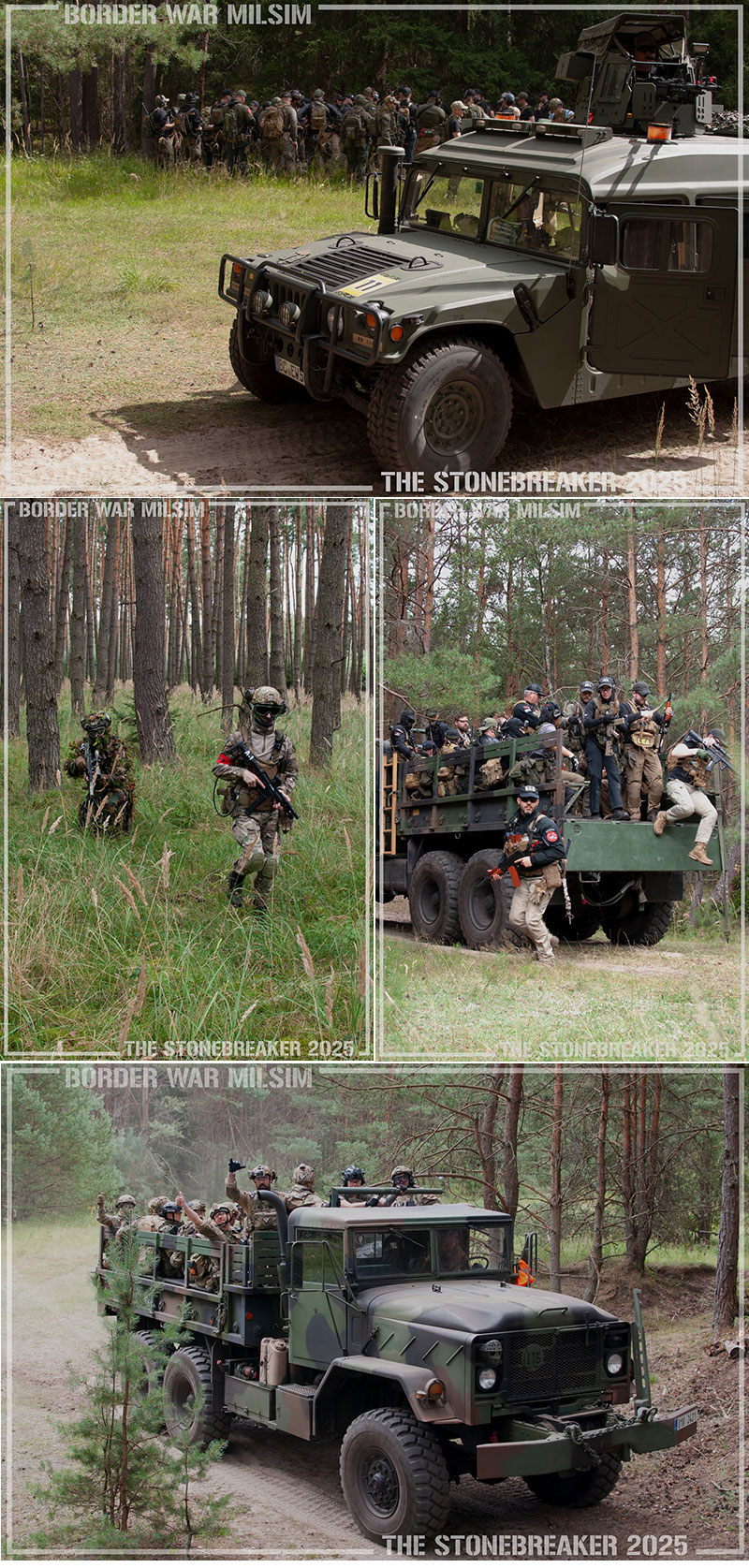
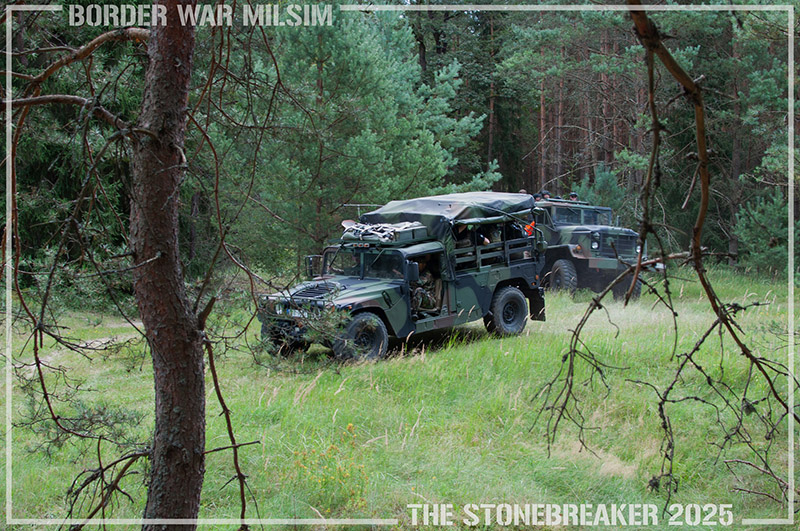
As the operation commenced on Friday, the Task Force executed a rapid, four-point deployment aimed at establishing control over key logistical and strategic nodes within western Sierra Verde. Alpha and Echo companies were immediately tasked with securing and holding the vital Ranch facility, while Bravo company focused its efforts on establishing a defensive line around the Oil Rig. Concurrently, the combined elements of Delta and Charlie companies formed the northern perimeter, which faced immediate and relentless harassment from entrenched Rebel units, testing the resolve of the forward defenses from the outset.
SOG’s Infiltration and the War’s Substructure
The foundation of the entire operation was laid in the shadows by the Special Operations Group (SOG), which maintained a complete clandestine posture deep within enemy territory, preceding the main Task Force advance. Their mission was not kinetic warfare but surgical disruption and intelligence extraction. SOG teams successfully intercepted a critical gold payment dropped via a Cartel helicopter, intended to finance the Rebel production machine, simultaneously depriving the enemy of resources and confirming the high-level financial relationship between the factions.
DEA’s Intelligence-Driven Interdiction
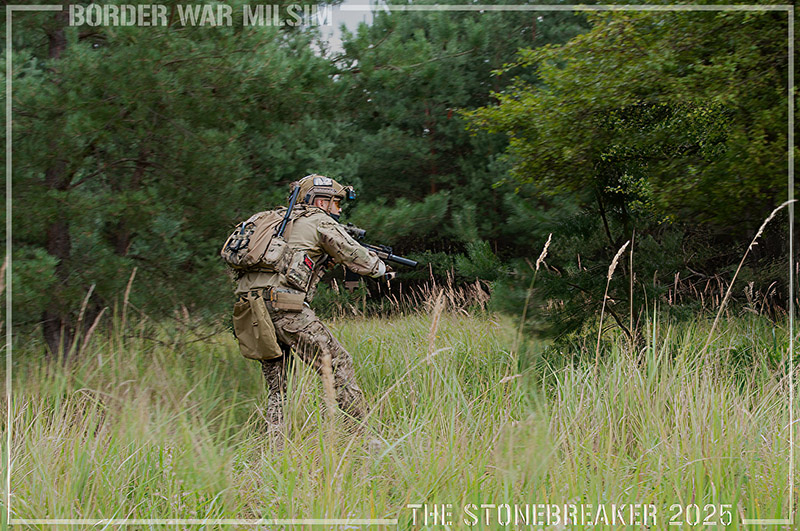
The Drug Enforcement Administration (DEA) operatives, maintaining a secure foothold in the civilian Village area, acted as the vital, unblinking eye of the Task Force. Their field intelligence was paramount, guiding precision strikes against the Cartel's logistical backbone. Initial reconnaissance by Task Force FOXTROT led to the discovery of illegal production facilities, the evidence from which—a seizure of drug products—was immediately processed by the DEA. Efforts to disrupt enemy supply lines via the Water Rig proved partially effective, necessitating a calculated tactical withdrawal but yielding invaluable data.
Metrics of Success: The Intelligence Yield
The effectiveness of the DEA's operation was meticulously quantified: 28 "black bricks" of processed narcotics were recovered, two substantial duffle bags of raw drug materials were secured, and numerous smaller illicit packs were cataloged. Furthermore, over 90 distinct Cartel operatives were visually identified and their profiles logged into the operational database. This precise mapping and real-time intelligence flow ensured that Task Force commanders possessed the actionable targeting data required for the large-scale offensive operations scheduled for the following day.
Friday Night: The Battle of the Crash Site
The operation escalated dramatically on Friday night with an unexpected, catastrophic event: the crash of a DEA helicopter near the primary Rebel Headquarters. This triggered what is now recorded as the largest and most ferocious night battle in Border War history. The objective for the combined 88 operators of the Task Force and DEA rapidly shifted from territorial control to a high-risk Personnel Recovery (PR) mission, targeting VIP journalists—one of whom was later confirmed to be a CIA operative.
Rebel Supremacy in the Dark
Despite the overwhelming response force, the 75 well-equipped Rebel fighters demonstrated absolute mastery of the crash site terrain, overwhelming the rescue effort. The combined government forces sustained heavy casualties, ultimately failing to secure the site. All DEA personnel deployed to the crash were eliminated, and both high-value VIPs were captured, with the CIA operative being held for subsequent interrogation by the Cartel-backed insurgents.
The Apex of the Offensive: Operation Stonebreaker Launched
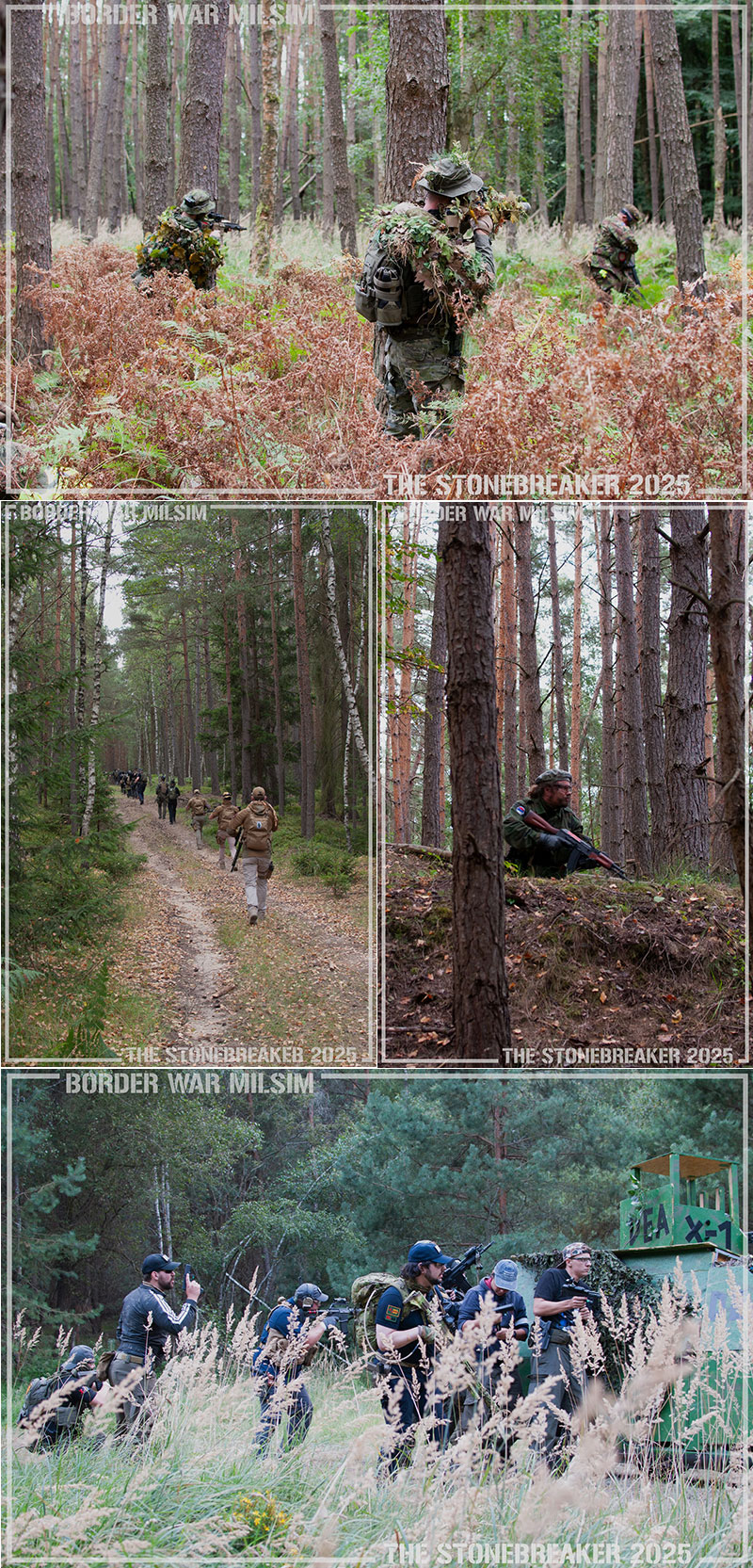
Saturday dawned to the sound of massed fire as the Task Force and DEA launched the main offensive, designated Operation Stonebreaker. This campaign was a meticulously phased assault designed to dismantle the entire Cartel infrastructure in the AO. The first phase saw the successful capture of the primary drug processing facility by 08:45. The tempo of the assault was maintained, leading to the securing and total destruction of the northern production fields by 12:30.
Total Destruction of Cartel Infrastructure
The final phase of the coordinated daytime push focused on the destruction of the export site and the last operational drug laboratory. This objective was achieved by 16:45, completing the mission's primary goal: the neutralization of all known, documented Cartel infrastructure. DEA agents accompanied these operations, seizing and cataloging all residual drug material, ensuring an uninterrupted flow of field intelligence to the dwindling Task Force command element.
Rebel Resilience and Counter-Punch
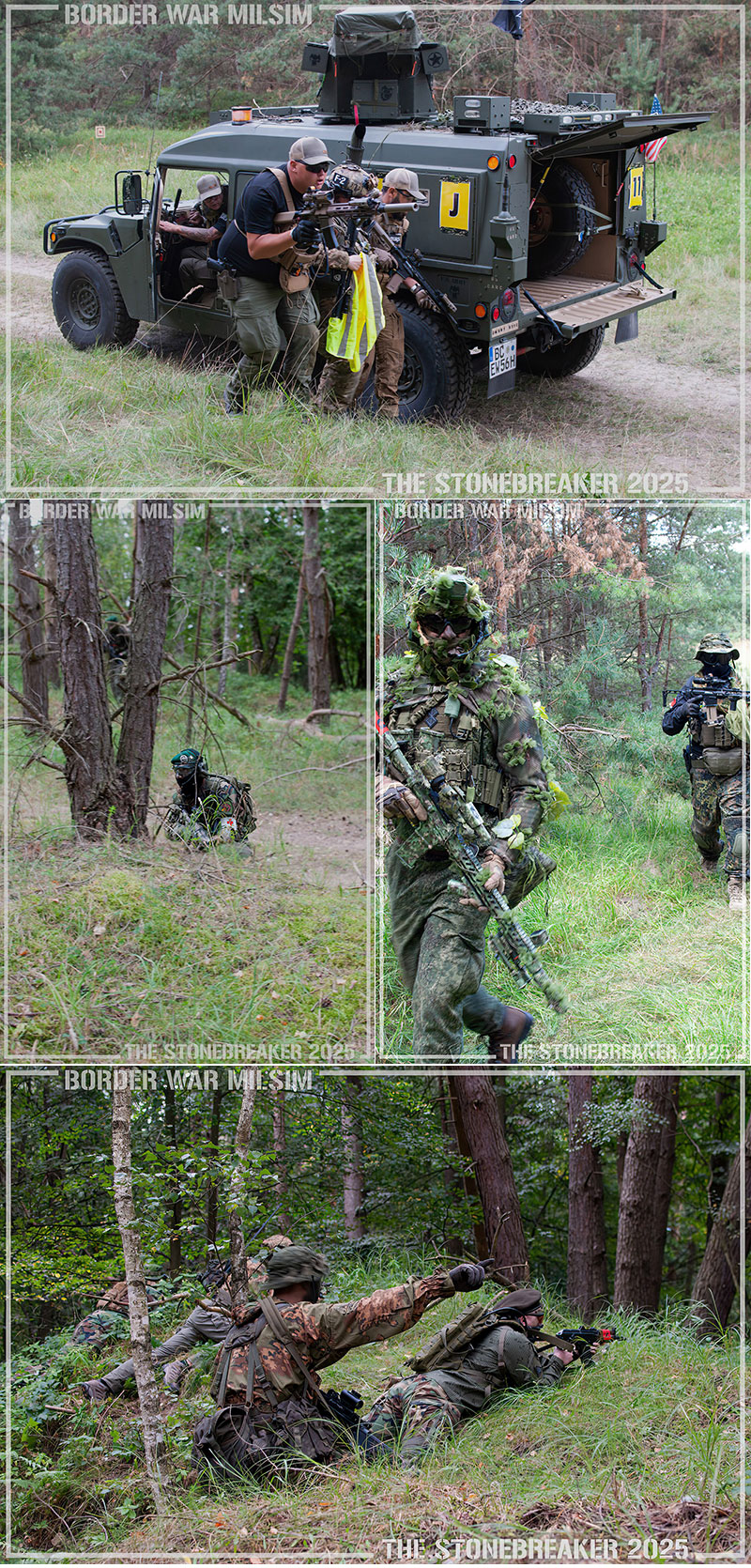
The success of the offensive, however, came at a heavy cost; by late afternoon, the Task Force strength was reduced to a mere 40 percent. In a testament to their profound resilience and tactical depth, the Rebels and Cartel units rapidly initiated countermeasures. While the main facilities burned, they swiftly re-planted new production fields, maintained irrigation systems, and successfully executed five major drug shipments during the daylight hours, mitigating the financial impact of the government offensive.
The Air War and Hostage Exchange
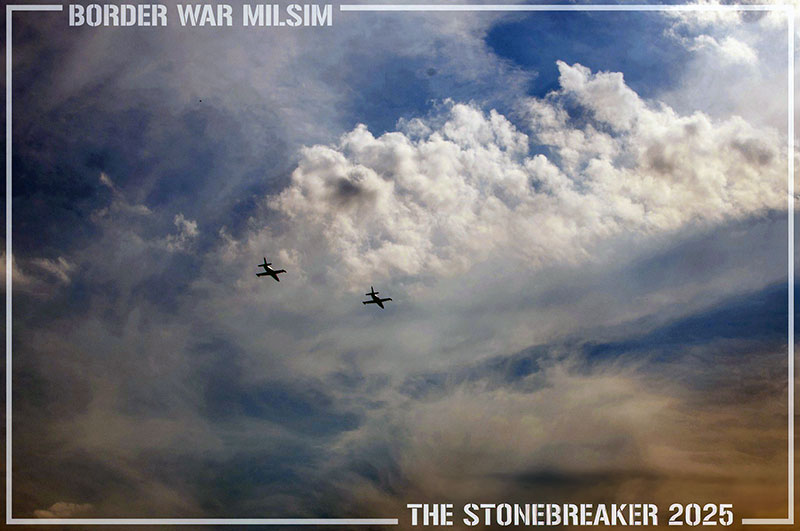
The aerial superiority of the Task Force was challenged following a devastating airstrike. A Rebel Anti-Aircraft (AA) unit successfully downed the attacking aircraft, capturing the pilot and recovering classified "black boxes" from the wreckage, signaling a major intelligence coup for the Cartel. A subsequent attempt at a formal hostage exchange, involving the downed pilot, descended into chaos when a booby-trapped ransom crate prematurely detonated. While Comandante Jabala survived the assassination attempt, he was later severely wounded in a dramatic knife attack by a captured Task Force operative during an attempted escape.
Extraction Under Duress: Saturday Night
The night brought another test of wills, focusing on a critical Rebel-led drug product extraction via helicopter. After intense, protracted engagement with DEA and Task Force patrols delayed the first flyover, the Rebels demonstrated logistical persistence. A second aircraft successfully landed at 23:45, extracting all cargo under sustained, heavy resistance. This extraction proved the Rebels' capability to successfully run high-value operations even under extreme duress.
The Final Day: Containment and Counterattack
Sunday saw a shift in the government's strategy from destruction to containment. With the known production infrastructure neutralized, the Task Force and DEA moved to seize the Farm, a strategic choke-point intended to sever all remaining Rebel supply routes and cripple their operational survival. This aggressive move was met with a ferocious, high-casualty counterattack by the hardened Rebel forces.
Undecided Victory and Lasting Impact
The Rebel counter-offensive successfully retook the Farm, ensuring their immediate logistical survival and concluding the weekend with a final, forceful territorial gain. While the Task Force achieved its primary objective of dismantling all known narcotics infrastructure, the Rebel Forces showcased an unparalleled ability to adapt, counter-punch, and rebuild. DEA operatives, maintaining their Village security, successfully completed the evidence recovery and cataloging process.
Conclusion: A Legacy of Fire and Intel
Border War 17—Operation Stonebreaker—concluded without a definitive declaration of victory, underscoring the parity of the forces involved. The Task Force demonstrated lethal offensive capability, the DEA proved the absolute criticality of real-time intelligence and evidence security, and SOG established the strategic depth of the campaign. Yet, the Rebel Forces and Cartel, having successfully adapted, rebuilt logistics, and triumphed in critical engagements, etched their own legacy into the Sierra Verde AO, ensuring that the conflict would persist long after the engagement's conclusion.