Quick Tips in Taking Action Shots
Brahma
07 Jan 2009
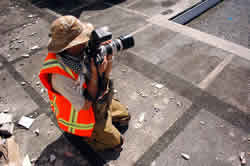
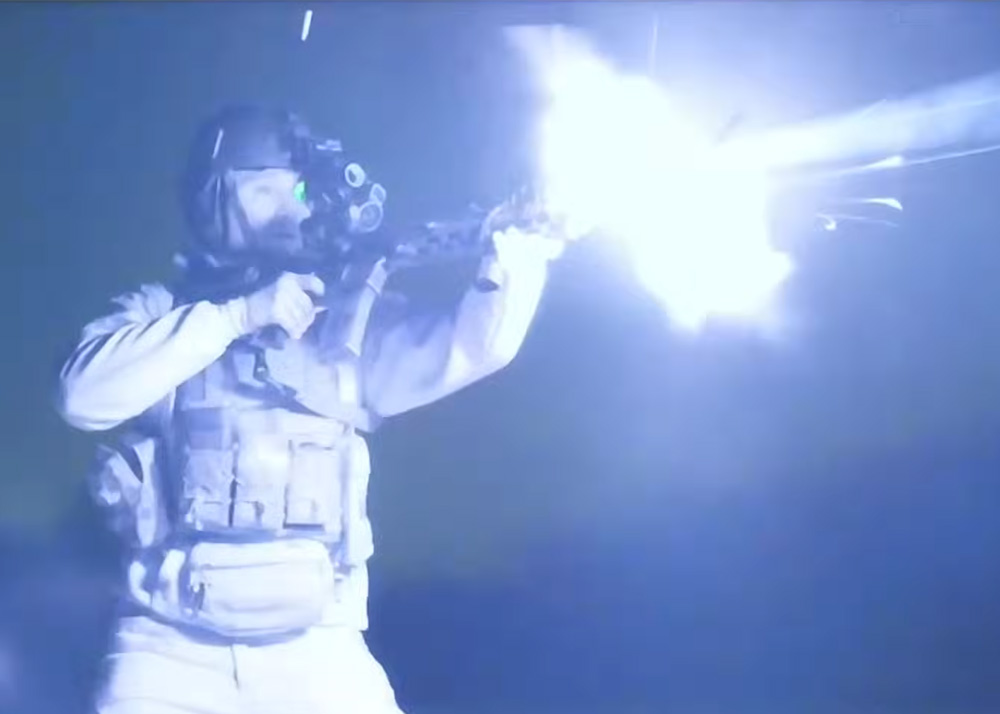
Follow up on the previous story below. Panning - Freeze the action by "panning," i.e. move the camera in the direction as the moving subject. Panning produces images with the subject in sharp focus and the background blurred. Anticipate the action and start panning the camera prior to the subject entering into view. As you track your subject, follow the action by steadily turning your body. After you snap the shutter-release button, continue to move the camera a few moments. This follow through movement will help keep the subject from becoming blurred.
Some digital cameras have a panning mode.
Vary zoom focal lengths - You will probably use the telephoto lens fully zoomed in for close-ups, but try other zoom ranges too for varied shots.
Vary picture taking angle - If you can, move around. Take photos at eye level, but also from above or below the subject for added interest and dynamics.
Keep it steady - Try to keep your camera as steady as possible to prevent camera shake. If it has Image Stabilization, use it.
If you are in a stationary place, use a tripod, monopod or other support. Prefocus on an area where you anticipate the subject will be, watch for the subject out of the corner of an eye, and then shoot at the appropriate moment.
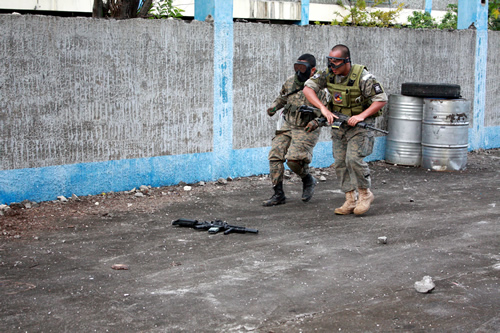
Put your wordsmithing skills to the test. Combine your write-ups, giving attention to what you have gathered from various teams and the organizers, with your game action photos. Have somebody edit your work before sending it to publications. Don't be surprised if the editor edits your write-ups, as most publishing houses or newspapers have their own in-house styleguides. Some words or sentences might be changed here or there. Spice up your write-up with action verbs-verbs that you never thought of using and associated with airsoft, like "each defender was jockeying for position to have a better shot at the rushing assault team". Communicate with editors. If you plan on submitting your article to different publications, you don't want to give them all the same write-up and photographs. Chances are, each publication will want a different angle on your story anyway.
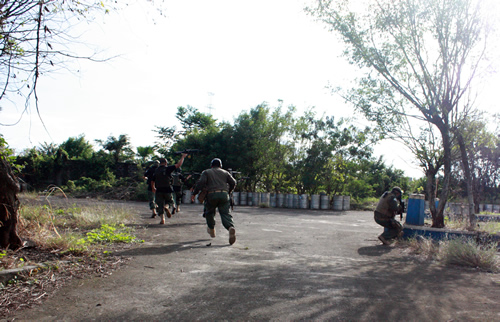
Explore PhotoShop. Don't think that having that degree or that knowing everything there is to know about photography is the catchall for taking great combat photographs. Even with all the skills in the world, sometimes there just isn't time to reset your film speed, ISO, shutter speed or aperture. Sometimes there's barely enough time to take the lens cap off.
Editors may "cannibalize" your write-up, but they can't really make changes to your accompanying photos, except to crop them, enlarge them, or change your color photos over to black and whites when they come out in print in the newspaper. That's where taking great shots and submitting quality pictures come into play. If possible, crop your photos to get rid of some of the distractions in the finished product.
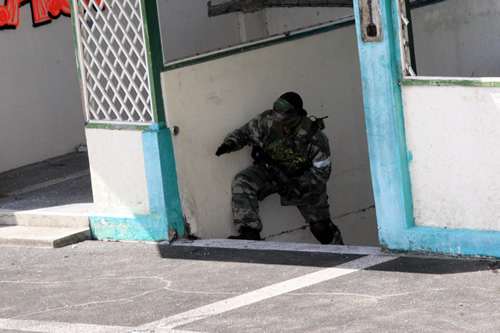
While it is certainly not required to edit a digital image, making a few tweaks will often improve its appearance. A click of the mouse on a software menu option or editing tool can add pizzazz or fix a common photo flaw.
Most digital cameras come with software that has tools to perform basic photo editing. You can easily perform editing tasks such as cropping, resizing, eliminating red-eye and color casts, adjusting brightness and contrast and sharpening with the camera's software.
There you have it! Good luck and hope you enjoy taking those game action photos as much as we did. It's more or less the person behind the camera that creates those photos. You don't have to go out and buy the most expensive camera to do so. You just have to know what your camera can and can't do, and put that information to use when being a shutterbug.
Just remember to follow the action. Keep your eye on what's happening on and off the field. Keep in mind, all photographers have their own style, their own mental "check lists". Find yours and stick with it. Make spur-of-the-moment photography second nature to you, so that when you find yourself running from one place to the next, taking pictures of one event after another, you'll know exactly know what to do to get the shot your editors need.