Ruger Greets 2026 With The Harrier AR-15 Line
Gungho Cowboy
06 Jan 2026
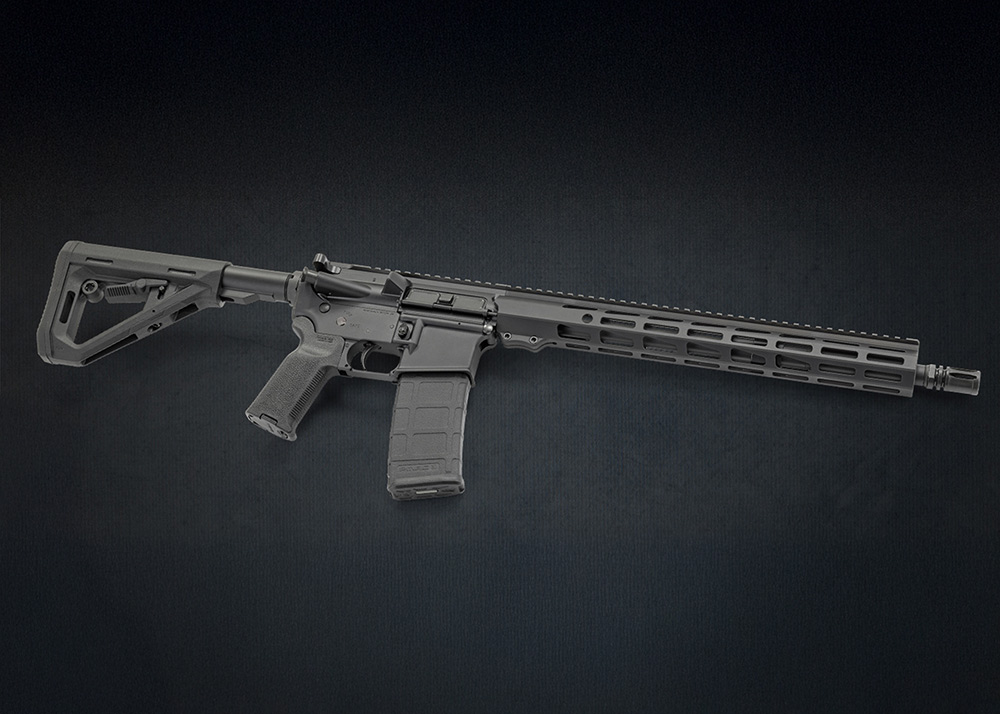
Sturm, Ruger & Company has long been a staple of the American firearms landscape, often favouring robust, traditional designs like the Mini-14. However, the Connecticut-based manufacturer has recently decided to lean further into the modern sporting rifle (MSR) market. Their latest venture, the Harrier series, marks a significant shift as the company begins to utilise its newly acquired facility in Hebron, Kentucky. This move suggests Ruger is keen to capture a larger slice of the AR-15 pie by offering a rifle that balances mil-spec expectations with a few clever, proprietary tweaks.
The company says the Harrier is a re-engineered platform designed to address the common wobbles and rattles found in entry-level AR-pattern rifles. By focusing on "fit and function," Ruger appears to be targeting the enthusiast who wants a solid foundation for future tinkering without having to replace every component out of the box. It is a pragmatic approach for a company that knows its audience: people who appreciate a tool that works as advertised without needing a velvet-lined case.
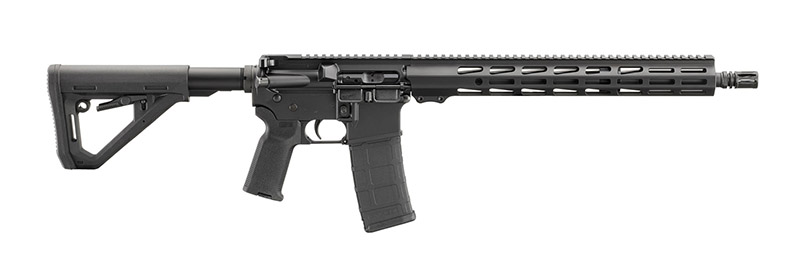
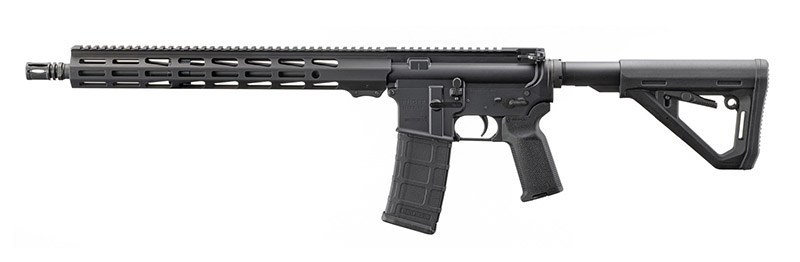
The Harrier range initial offerings are 5.56 NATO, though they are perfectly happy to digest .223 Remington rounds as well. Both models sport 16.1-inch barrels, a length that neatly satisfies legal requirements while remaining nimble enough for the average range day. The barrels feature a 1:8" twist rate, a versatile choice that stabilises a wide variety of bullet weights, from the lighter 55-grain plinking rounds to more substantial 77-grain projectiles favoured by those who take their groupings a bit more seriously.
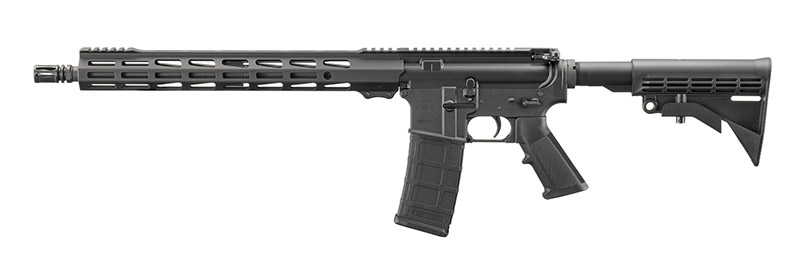
One of the more thoughtful inclusions is the integrated tension screw located in the lower receiver. Anyone who has spent time with an AR-15 knows the slight, annoying play that can exist between the upper and lower halves; Ruger’s solution allows users to fine-tune this fitment. It is a minor engineering touch that provides a more solid feel, reminiscent of higher-end custom builds, without the custom-build price tag. This focus on "tightness" is complemented by forged 7075-T6 aluminium construction and a durable Type III hard-coat anodised finish.
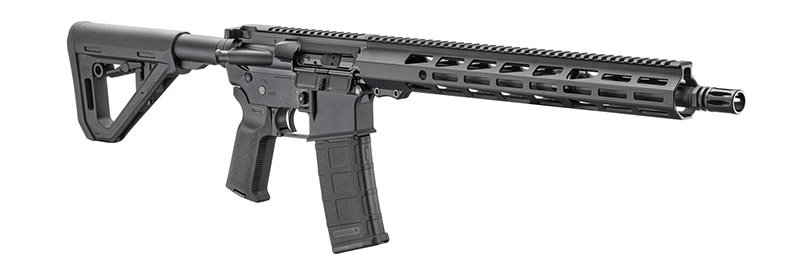
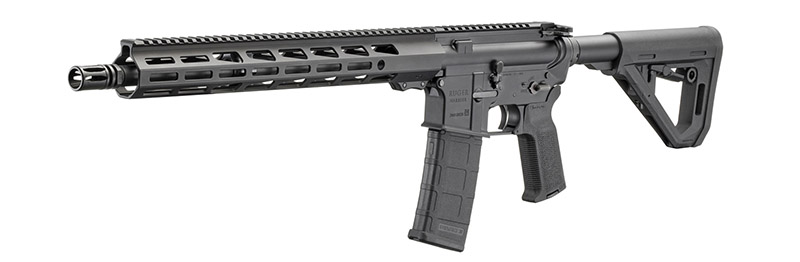
For those who prefer a more modern aesthetic, Model 28600 is the upgraded sibling in the duo. It features a mid-length gas system, which generally offers a smoother recoil impulse and less wear on internal components compared to shorter systems. This model is dressed in Magpul furniture, including the MOE-K2 grip and a DT Carbine stock. The handguard is a 15-inch free-floated affair with a full-length top rail, providing ample space for optics, lasers, and perhaps an exceedingly small kitchen sink if one is so inclined.
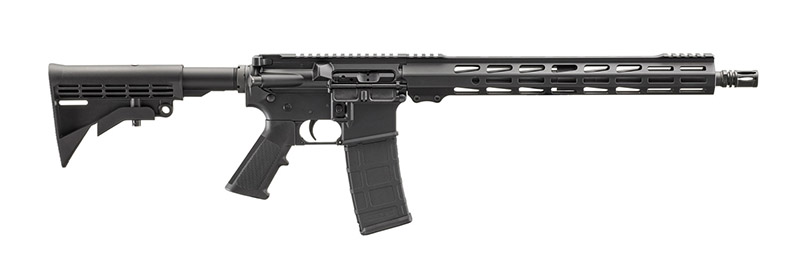
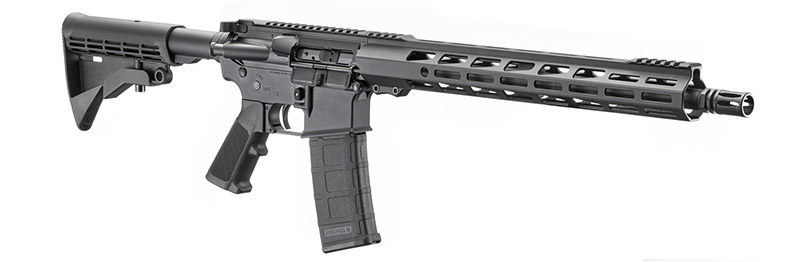
On the other hand, Model 28601 caters to the "retro-modern” crowd or those who simply prefer a lighter front end. It sticks to a carbine-length gas system and the classic A2-style grip and M4 collapsible stock. The handguard on this version omits the full-length top rail in favour of a slimmer profile, featuring Picatinny sections only where they are most likely needed at the front and rear. It is a sensible option for the shooter who wants a light, pointable rifle without the "cheese grater" feel of excessive rails.
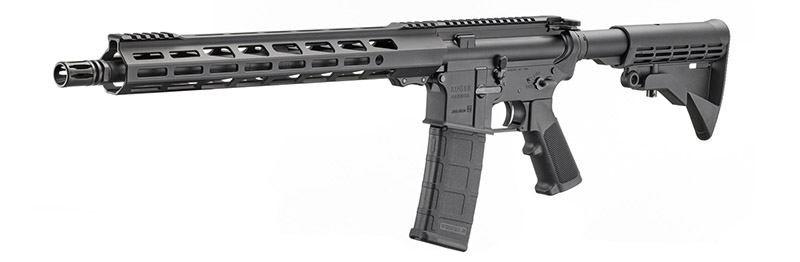
Internally, Ruger hasn’t cut corners on the bits that make the rifle go bang. The bolt carrier group is finished in black nitride, a treatment known for its slickness and resistance to the carbon fouling that inevitably accumulates during a long session. The gas key is properly staked—a detail that sounds boring until your rifle stops cycling because a screw backed out—and the firing pin is chrome-plated. These are the "unseen" quality markers that suggest Ruger is prioritising longevity over flashy gimmicks.
The barrels themselves are also nitrided, offering a robust alternative to traditional chrome lining. This process hardens the surface of the steel, improving corrosion resistance and barrel life without the potential accuracy inconsistencies sometimes associated with uneven chrome application. Capping off the business end is the ubiquitous A2 flash hider, threaded at 1/2"-28. This industry-standard threading ensures that if you wish to swap the flash hider for a compensator or a suppressor, you won't need an engineering degree or a bespoke adapter to do so.
"Introducing Harrier rifles marks an important step in advancing the quality and performance of our modern sporting rifle line," said Todd Seyfert, Ruger President and CEO. "Ruger Harrier rifles combine the rugged reliability Ruger is known for with modern adaptability, making them an ideal choice for shooters seeking precision, durability and customization – and we are excited that this is only the beginning."
The new Ruger Harrier represents a calculated step forward for a company often viewed as the "old guard." By manufacturing these rifles in Kentucky and sticking to a modular, highly compatible design, Ruger is ensuring that the Harrier is more than just a flash in the pan. It is a reliable, well-proportioned entry into the MSR world that respects the heritage of the AR-15 while adding just enough modern refinement to keep things interesting. Whether you are a first-time buyer or a seasoned collector, there is something quite reassuring about a Ruger that plays well with others.