Walther Bullpup RS 3 Upends Traditional Hunting Rifle Design
OptimusPrime
06 Feb 2026
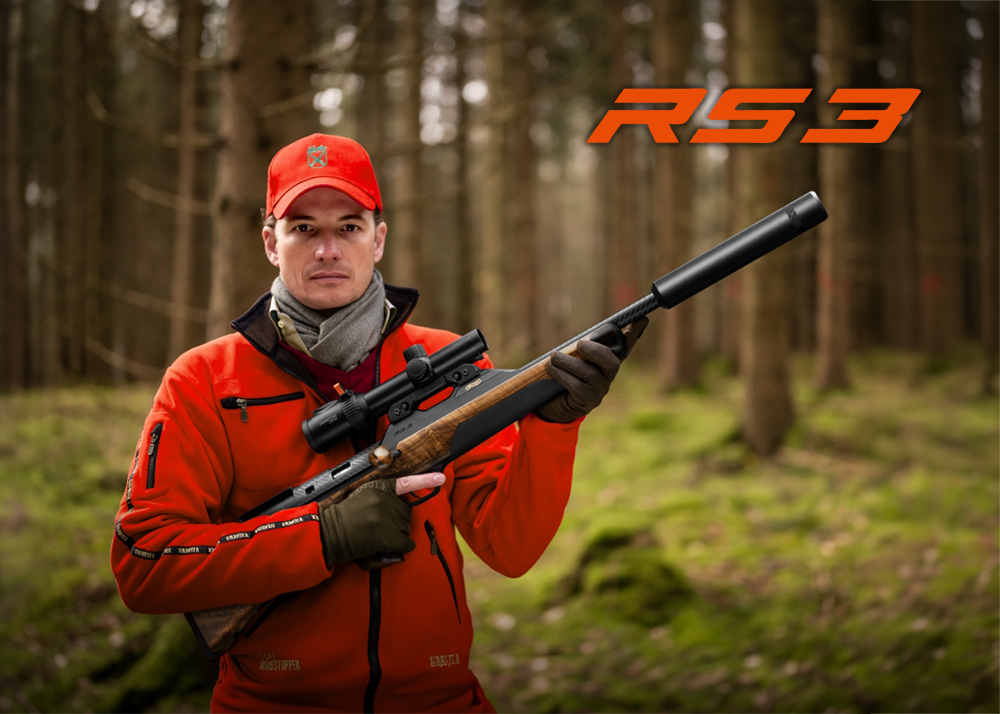
Walther is making a bold entry into the centrefire hunting market with the RS 3, a rifle the company confidently labels as the future of hunting. This innovative firearm utilizes a bullpup straight-pull design, a configuration chosen specifically to address the modern hunter's needs. By shifting the action behind the trigger, Walther has created a platform that remains compact and exceptionally well-balanced, even when equipped with heavy muzzle accessories.
The primary motivation for this design is the global rise in suppressor use. The RS 3 comes standard with a Walther QSA silencer, and even with this unit attached to the substantial 23” (58cm) barrel, the rifle maintains a remarkably short overall length of just 41” (104cm). This allows hunters to enjoy the ballistics of a full-length barrel and the hearing protection of a suppressor without the unwieldy "muzzle-heavy" feel of a traditional bolt-action setup.
The design philosophy of the RS 3 is a direct response to a modern European hunting reality: the "can" is no longer a novelty. With suppressors becoming recommended or even mandatory in various jurisdictions to preserve the hearing of both hunters and their four-legged companions, the industry has struggled with the "musket effect." Adding seven inches of baffle stack to a traditional 22-inch barrel turns a nimble rifle into a front-heavy, unwieldy pole. By moving the action behind the trigger, Walther has successfully maintained ballistic performance without chopping the barrel into a stubby, velocity-robbing compromise. It turns out you can have your velocity and swing it through the thicket, too.
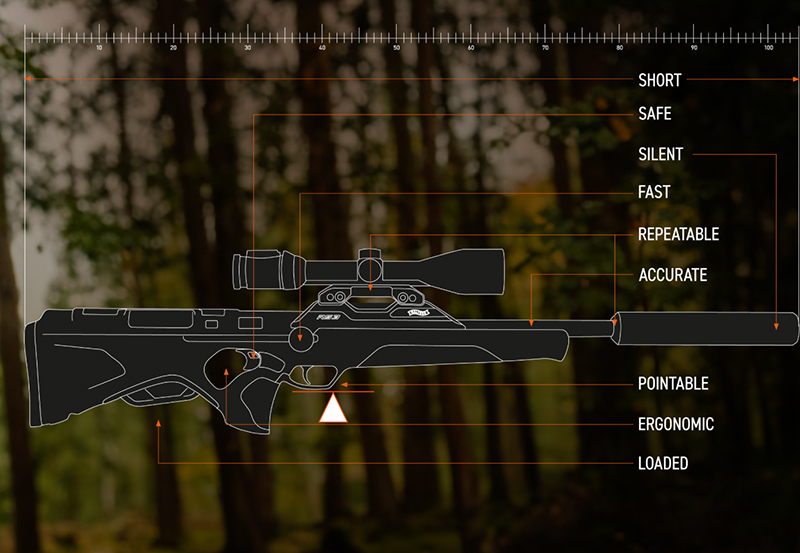
Central to this unconventional layout is a monocoque chassis machined from a solid billet of aerospace-grade aluminium. Think of it as a rigid cage that houses the entire cycling assembly, ensuring that the relationships between the bolt, the chamber, and the optic remain constant under stress. This self-contained architecture is designed to eliminate the microscopic shifts that occur in traditional bedded actions. Whilst high-precision claims are common these days, the RS 3 backs it up with a structural rigidity that feels more like a piece of industrial machinery than a sporting firearm, reducing tolerances to a level that earns the approval of the most meticulous shooters.
The exterior of the RS 3 offers a choice between utilitarian pragmatism and old-world luxury. For those who view mud as a badge of honour, the synthetic stocks in "Pro Pine" or "Pro Chestnut" variants feature elastomer inserts at the key contact points to ensure the rifle doesn't migrate out of your hands in a downpour. However, Walther hasn't forgotten the traditionalists who appreciate a fine piece of timber. The "Heritage" lines offer Caucasian walnut root burl in Grade 4 or Grade 7, providing a visual contrast between the futuristic receiver and the organic warmth of high-grade wood. Regardless of the material, every model includes a carbon fibre cheekpiece, because even a hunter in the Black Forest deserves a bit of weight-saving tech.
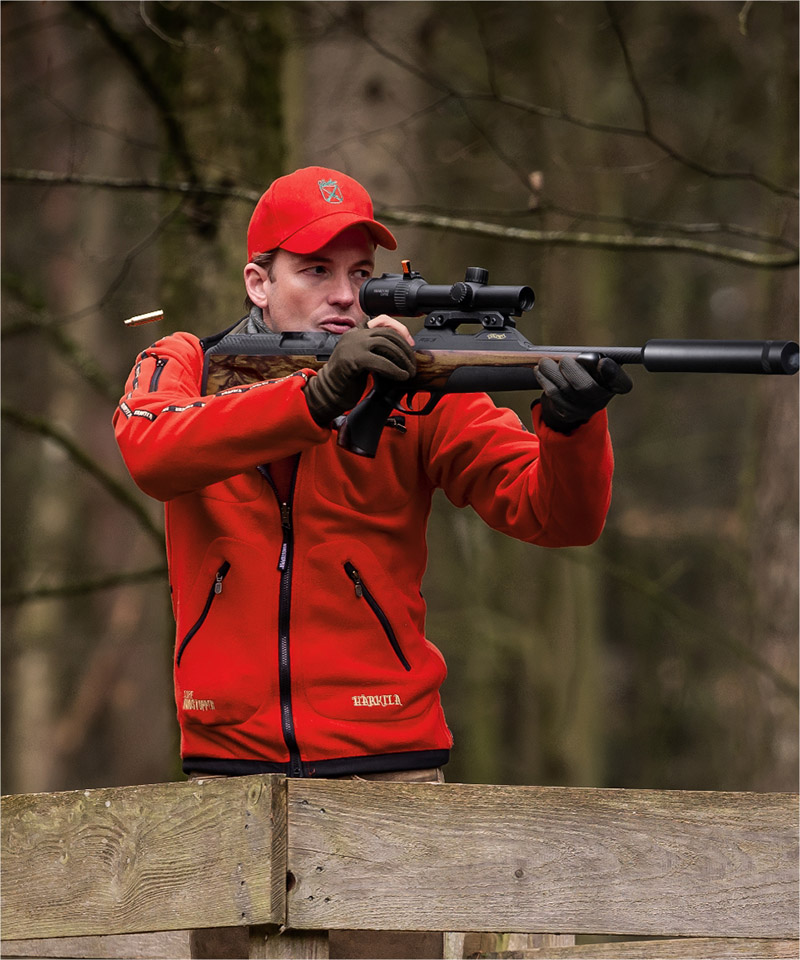
As always, safety in the field is a binary choice between a mechanical switch and a prayer, but Walther has opted for a more tactile solution. The RS 3 utilizes a manual firing pin cocker integrated into the thumbhole grip, functioning similarly to a 1911’s grip safety but requiring a deliberate forward squeeze of the palm. When you cycle the straight-pull action, you are only chambering a round; the rifle remains uncocked and incapable of firing until you are on target and gripping the stock to shoot. This de-cocked-by-default status means you can navigate the harshest terrain with a round in the chamber without the nagging anxiety of a snagged trigger or a dropped sear.
The manual of arms is surprisingly intuitive for a bullpup. The cocking handle is positioned on the right side, directly above the trigger hand, allowing for a rapid back-and-forth motion that feels more like a rhythmic pump than a traditional bolt lift. Because the weight of the action is tucked into the shoulder, the rifle remains stable during rapid follow-up shots, a benefit that battue hunters—who often face multiple targets in quick succession—will likely find indispensable. This is paired with the Walther Performance Trigger, which breaks at a crisp 800 grams, providing a level of feedback that belies the complex linkages usually found in bullpup trigger groups.
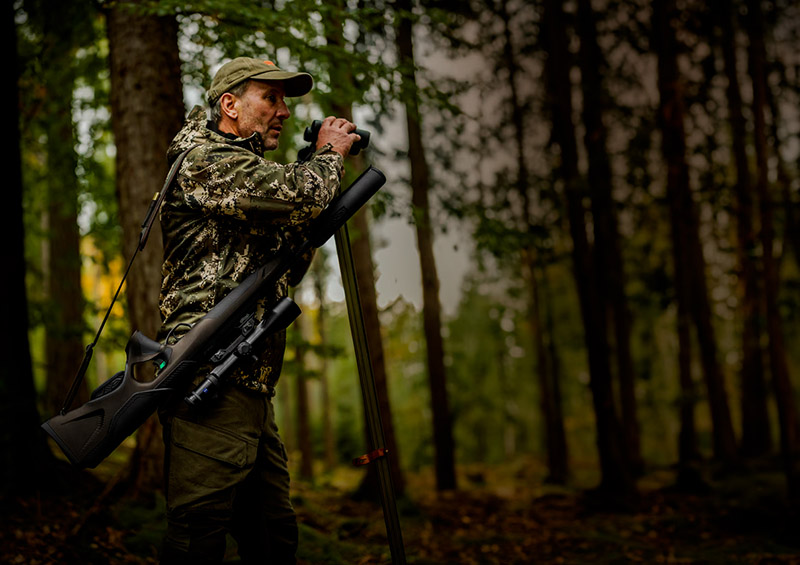
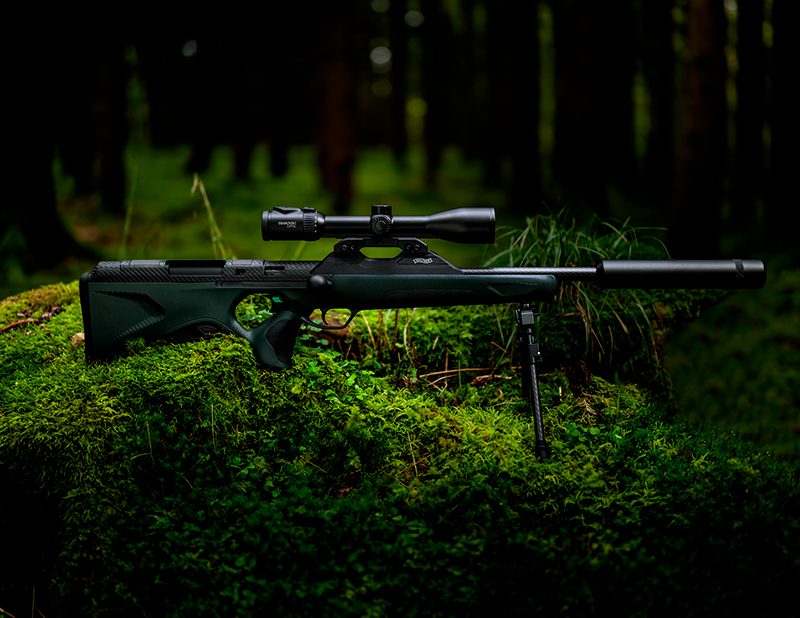
In terms of versatility, this is seen in the Fixlock modular optics system. Rather than forcing users into a single mounting standard, the RS 3 comes with interchangeable bases that accommodate everything from traditional rings to specialized Zeiss or Swarovski mounts, or even a standard Picatinny rail for the red-dot crowd. This modularity extends to the muzzle, where the "Zerolock" interface allows the included QSA suppressor to be attached with a simple 60-degree twist. For those in regions where suppressors remain a bureaucratic headache, Walther provides the QCA compensator, which trades noise reduction for a 40% reduction in felt recoil, ensuring the .300 Winchester Magnum doesn't feel like a mule kick.
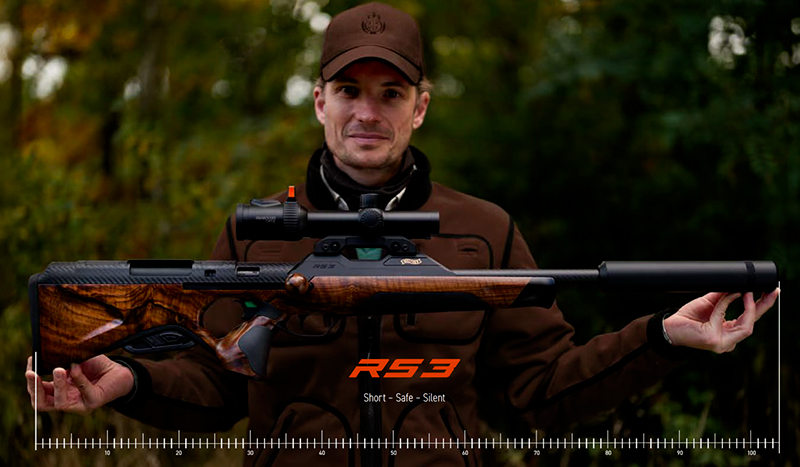
Initial chamberings stick to the Big Three of the hunting world: .308 Winchester, .30-06 Springfield, and .300 Winchester Magnum. The proprietary linear magazines hold six rounds for the standard calibers and five for the magnum, providing plenty of onboard capacity for a weekend in the stand. Even in the magnum configuration with the suppressor attached, the RS 3 stays under 43 inches in total length—a footprint significantly smaller than a standard bolt rifle without a silencer. It is a compact package that weighs in at roughly 3.8 kilograms, making it light enough for a long stalk but substantial enough to soak up the energy of a heavy hunting load.
The European rollout begins this spring with the .308 version leading the charge, and while the price tags are certainly "investment-grade"—ranging from €3,999 for synthetic models up to nearly €7,000 for the Grade 7 wooden stock —the inclusion of the dedicated suppressor or compensator adds value to the package. As of now, Walther is keeping quiet about North American availability, likely waiting to see if the traditionalist American market is ready for a rifle that looks like it flew off a sci-fi film set. If you are looking for a rifle that fits in a compact case but performs like a long-range rig, the RS 3 suggests that the future of hunting might just be back heavy.