Smith & Wesson Releases Model 940-3 J-Frame Snubbie
Gungho Cowboy
19 Feb 2026
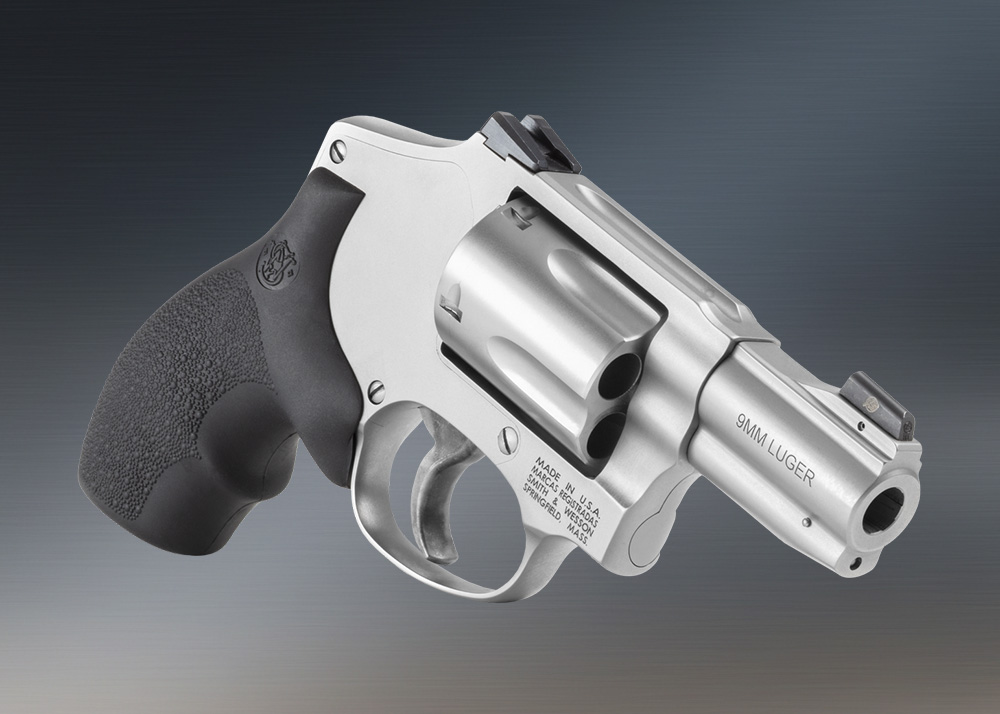
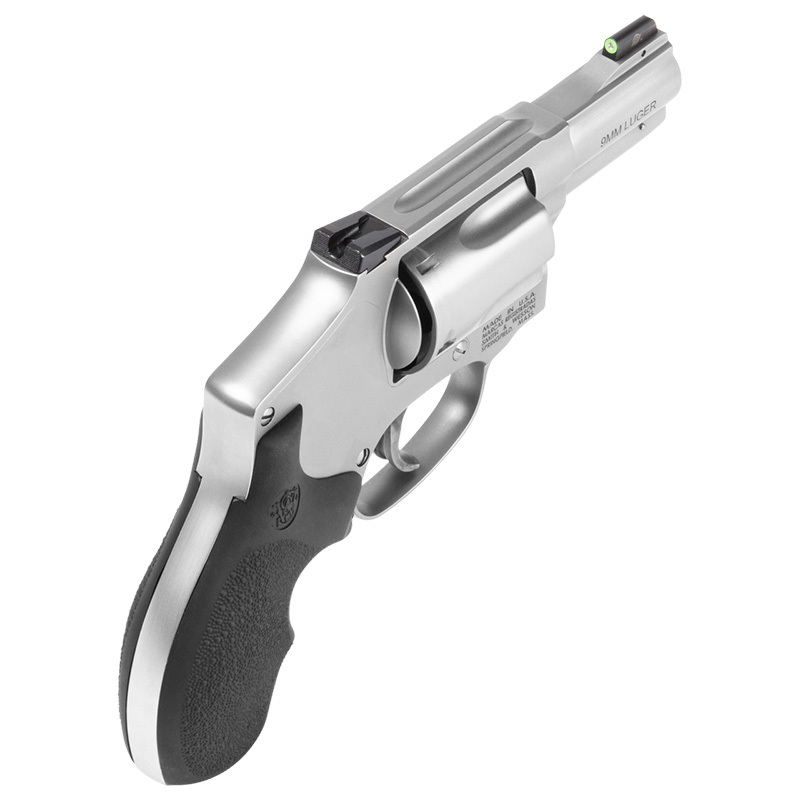
The J-Frame has long held a peculiar, cherished spot in the pockets and waistbands of those who appreciate mechanical reliability over the fleeting trends of polymer high-capacity magazines. Smith & Wesson’s recent unveiling of the Model 940-3 suggests that the Massachusetts-based manufacturer is leaning into this heritage whilst acknowledging modern ballistic preferences. By reintroducing a 9mm Luger chambering to their small-frame lineup, they provide a bridge for those who wish to standardise their ammunition across both primary and backup platforms without the logistical headache of varying calibres.
Constructed entirely from stainless steel, the 940-3 prioritises structural integrity and corrosion resistance, essential traits for an object destined to live in close proximity to the human body. At an overall length of 6.6 inches and a width of 1.3 inches, the dimensions stay consistent with the classic snub-nosed silhouette. However, the weight—tipping the scales at 23 ounces—gives it a certain gravitas that, while perhaps slightly heavier than its scandium or aluminium cousins, aids significantly in managing the snappy recoil characteristic of the 9mm round in a short-barrelled format.
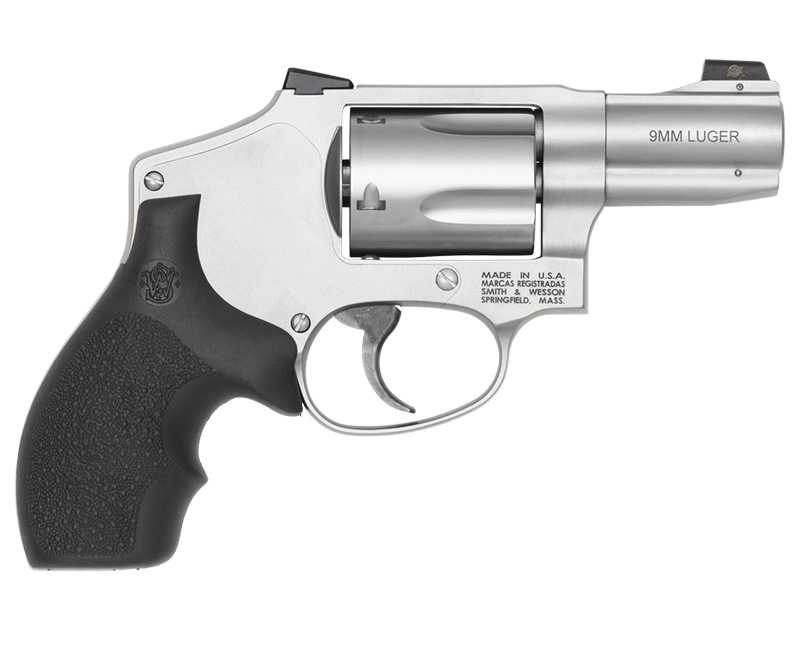
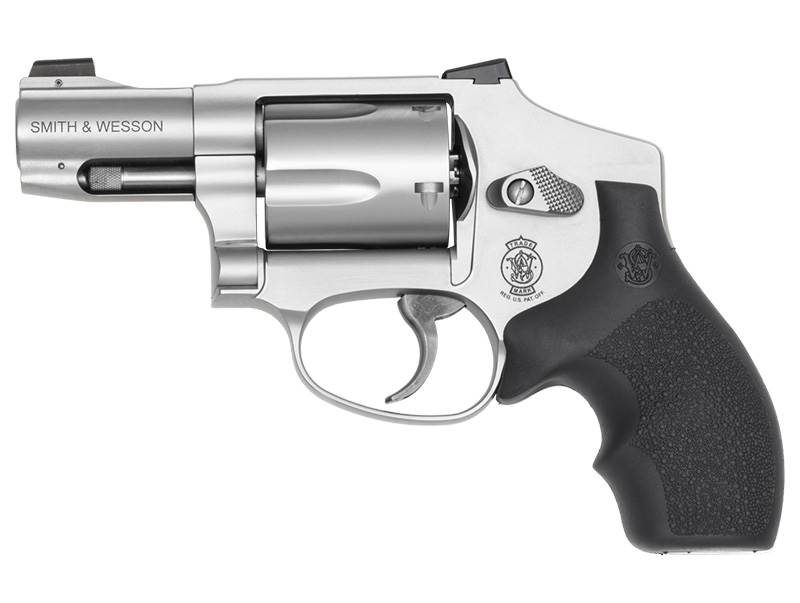
One of the more divisive elements of modern revolvers has been the inclusion of an internal safety lock, often referred to by enthusiasts as the 'Hillary Hole'. In a move that will likely result in a collective sigh of relief from purists, the 940-3 features a no-lock frame. This choice eliminates a potential mechanical failure point and keeps the sleek, uninterrupted lines of the stainless-steel side plate, ensuring that the revolver functions as a straightforward, utilitarian tool designed for immediate deployment.
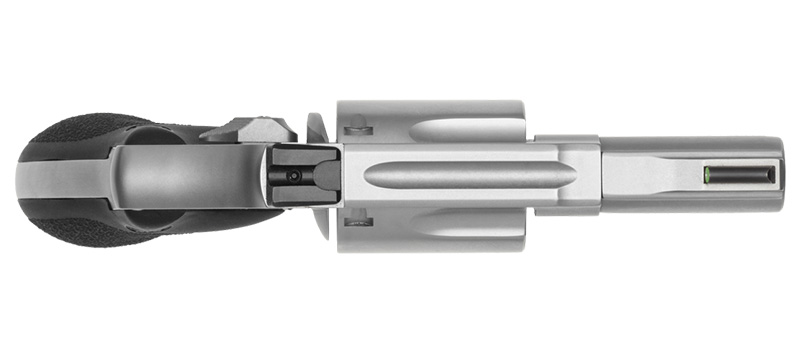
The 2.17-inch stainless steel barrel and fluted cylinder are designed to withstand the pressures of modern defensive loads. Because the 9mm Luger is a rimless cartridge originally intended for semi-automatic pistols, the 940-3 utilises a cylinder cut specifically for full moon clips. These clips serve a dual purpose: they provide the necessary headspace for the rounds to sit flush against the cylinder face and allow for the simultaneous extraction and ejection of all five spent casings, a feat otherwise impossible with rimless brass in a revolving cylinder.
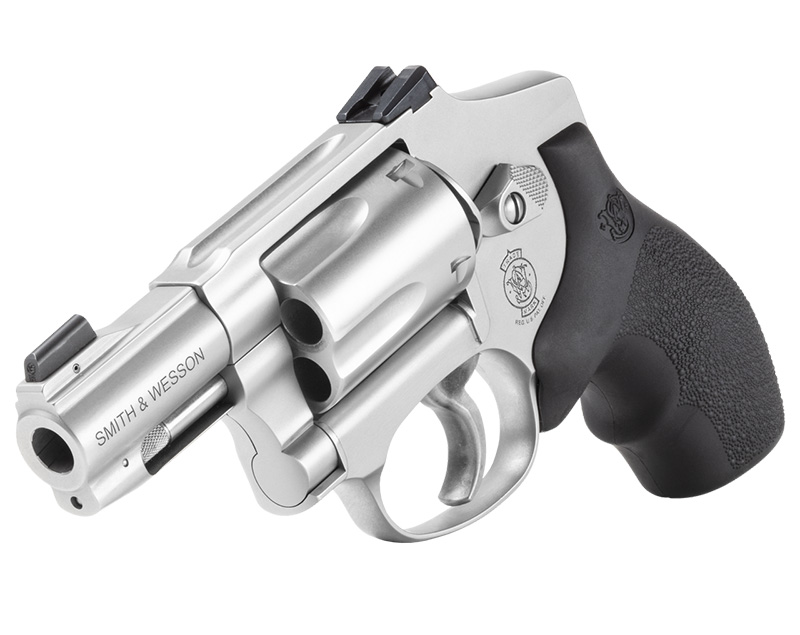
Visibility in varied lighting conditions is addressed through a rather sensible sight arrangement. Rather than the traditional milled-out groove common on older snubbies, this model carries a Tritium XS front night sight. The larger profile of the front lamp, paired with a dovetail U-notch rear sight, allows for a more intuitive sight picture. This setup is particularly beneficial for those whose eyesight may not be as sharp as it once was, or for situations where a precise silhouette of the front post is obscured by shadows.
The Hogue Over-Molded Rubber Bantam grip is precision-fit for better control. Recognising that a 9mm revolver can be a handful, the grip incorporates finger grooves to guide the hand into a consistent high-tang position. The inclusion of the 'Cobblestone' texture ensures that the firearm remains seated in the palm even if one’s hands are damp or cold. It is a functional choice that prioritises the shooter's ability to maintain a firm hold during rapid double-action strings of fire.
While the rubber Hogue grips come standard, the 940-3 also acknowledges the aftermarket preference for G10 materials by offering compatibility with VZ Grips. For those who find rubber too 'sticky' against clothing, the checkered finger groove G10 options provide a smoother draw while retaining a high degree of traction. This flexibility allows the user to tailor the ergonomics to their specific carry method, whether that be deep concealment in a pocket or a more traditional appendix-carry holster.
The trigger mechanism is a dedicated double-action-only system, complemented by a snag-free concealed hammer. By removing the hammer spur, Smith & Wesson has mitigated the risk of the firearm catching on the hem of a jacket or the lining of a pocket during a draw. This internal hammer design ensures that the firing sequence is consistent every time, requiring a deliberate, full press of the trigger—a feature often cited as an inherent safety advantage for a defensive firearm carried in high-stress environments.
Shipping with three full moon clips right out of the box, the Model 940-3 arrives ready for the range. It represents a thoughtful iteration of a platform that many believed had reached its peak decades ago. By combining the ballistic efficiency of the 9mm Luger with a robust, all-steel construction and modern sighting systems, Smith & Wesson has produced a revolver that feels less like a relic and more like a refined tool for the pragmatic contemporary shooter.