Wilson Combat Launches the New Designated Marksman Rifle
Logan
31 Jan 2026
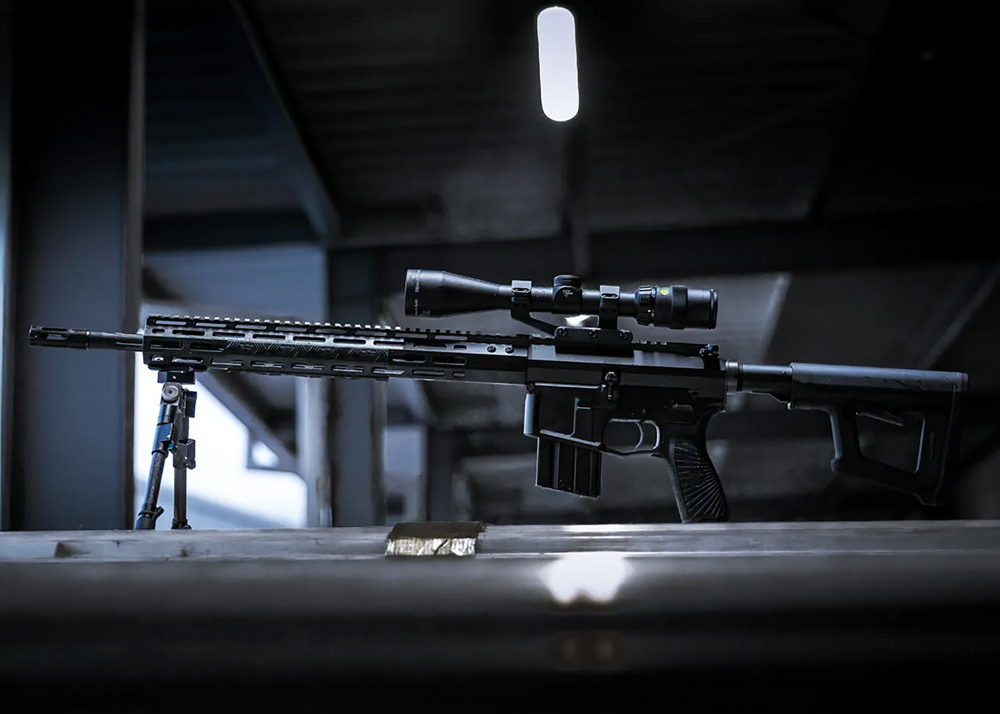
The Designated Marksman Rifle (DMR) occupies a specific, often misunderstood niche in the firearms world. It isn't quite a heavy-barreled sniper platform, nor is it a standard service carbine meant for clearing hallways. Instead, it serves the shooter who needs to bridge that gap with reliable hits at distances where a standard 16-inch barrel might start to struggle. Wilson Combat’s entry into this space, the WC-15 DMR, aims to provide that middle-ground utility without the bulk of a dedicated bench-rest setup.
Construction begins with a billet upper and lower receiver set. Unlike forged receivers that are hammered into shape, these are machined from solid blocks of aluminum. This method allows for tight tolerances and increased rigidity, which helps maintain alignment between the barrel and the bolt. It provides a stable foundation for the rifle, ensuring that the components work together as a cohesive unit rather than a collection of loosely associated parts.
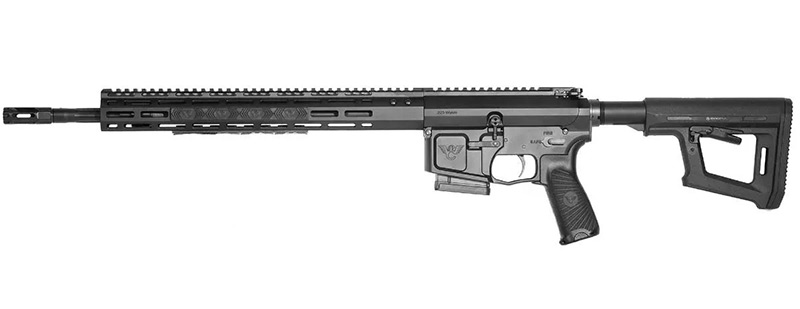
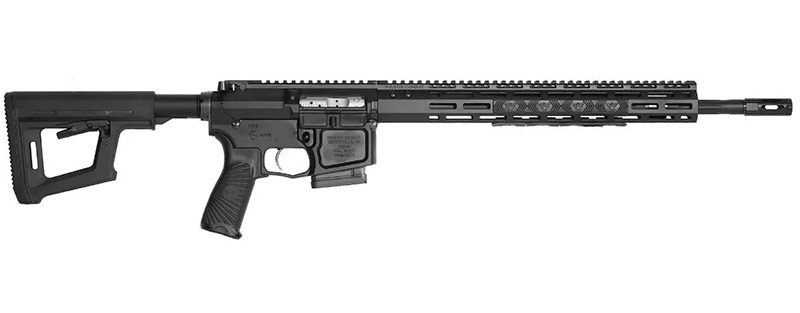
At the front of the action sits an 18-inch Recon Tactical profile barrel. It features fluting, which serves the dual purpose of shedding weight and increasing the surface area for heat dissipation during repeated firing. Chambered in .223 Wylde, the barrel is designed to handle the round with a level of precision that standard chambers often find difficult to match. A 1-in-8 twist rate is utilized to stabilize a variety of bullet weights, making it a good choice for various shooting conditions.
To manage the physics of firing, Wilson Combat employs a rifle-length gas system. This longer dwell time softens the recoil pulse compared to shorter carbine-length systems, which is a welcome relief for those spending a full day at the range. The muzzle is capped with a Q-Comp device, designed to minimize both muzzle rise and felt recoil. The result is a platform that stays relatively flat during fire, allowing the shooter to keep their eyes on the target for quick follow-up shots.
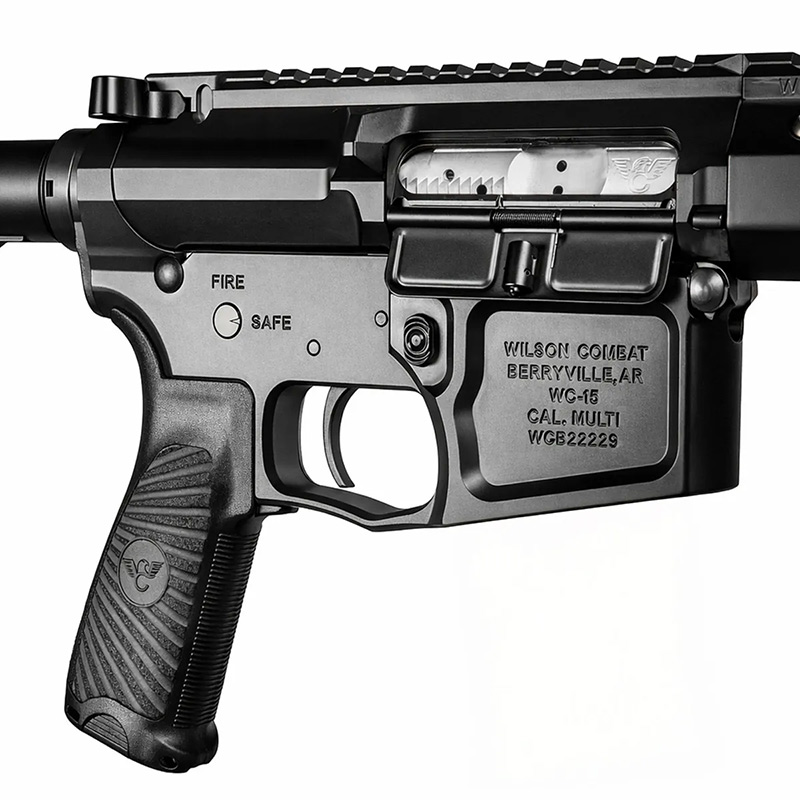
Precision shooting is often a conversation between the finger and the sear, and the Tactical Trigger Unit (TTU) M2 acts as the mediator. This two-stage trigger is set at a four-pound pull, providing a clear first stage followed by a predictable break. It lacks the "mushy" feeling often found in standard mil-spec triggers, allowing the marksman to focus on their breathing and hold rather than fighting the hardware. This component is central to the rifle’s ability to perform at extended ranges.
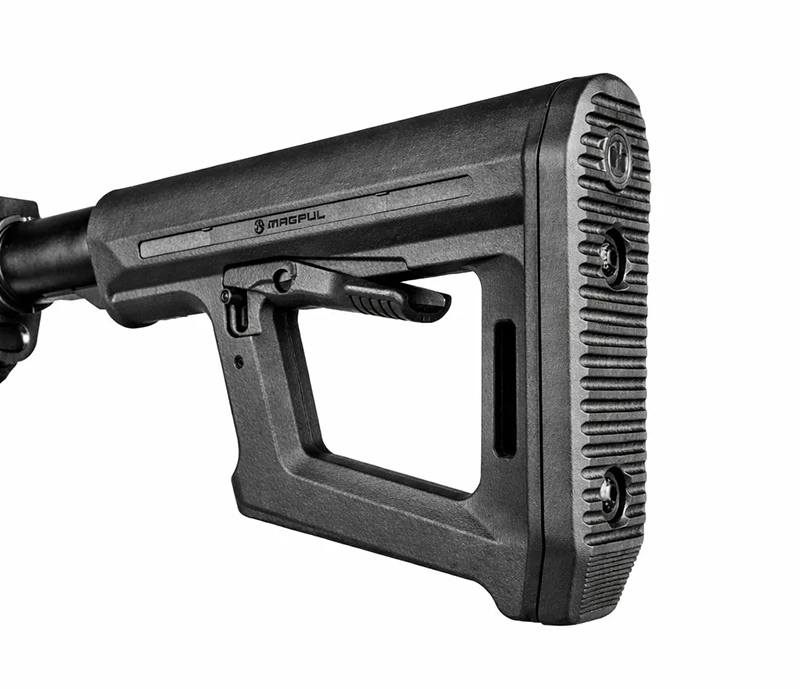
For handling, this is facilitated by a 15-inch M-LOK handguard that covers the gas block while providing ample real estate for lights, lasers, or bipods. It comes equipped with rugged rail covers to protect the shooter's hands from heat and sharp edges. The furniture includes a Magpul MOE stock and a BCM Starburst Gunfighter grip, both of which are industry standards for a reason: they are functional, ergonomic, and do not require a degree in engineering to adjust.
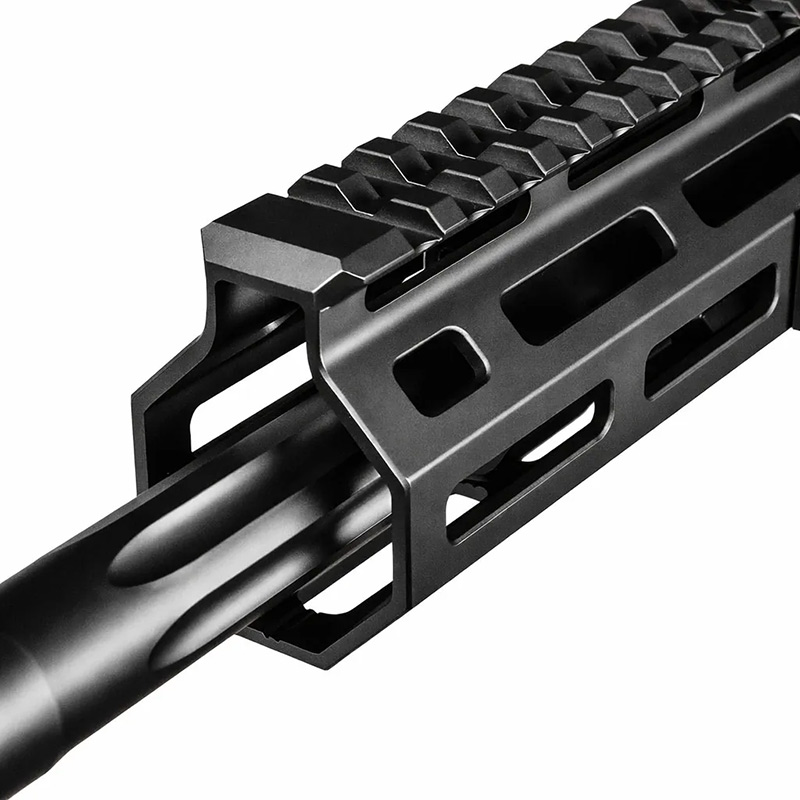
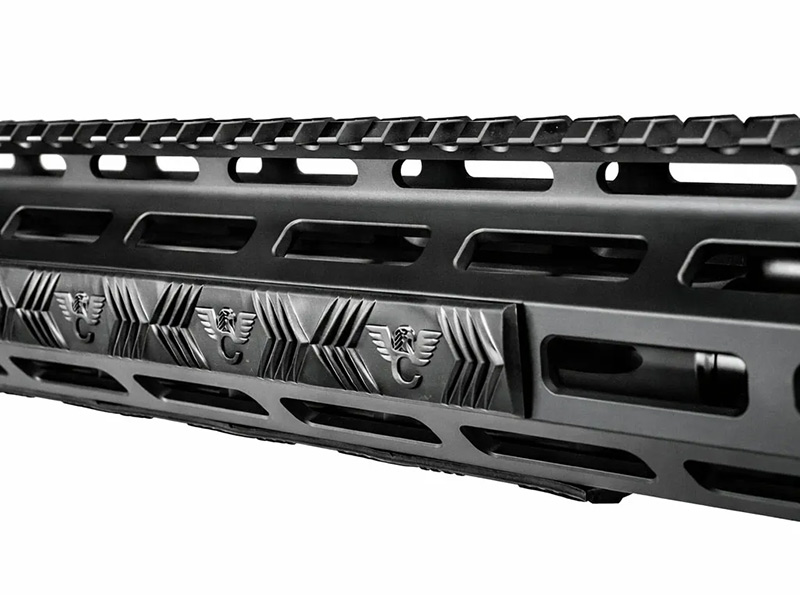
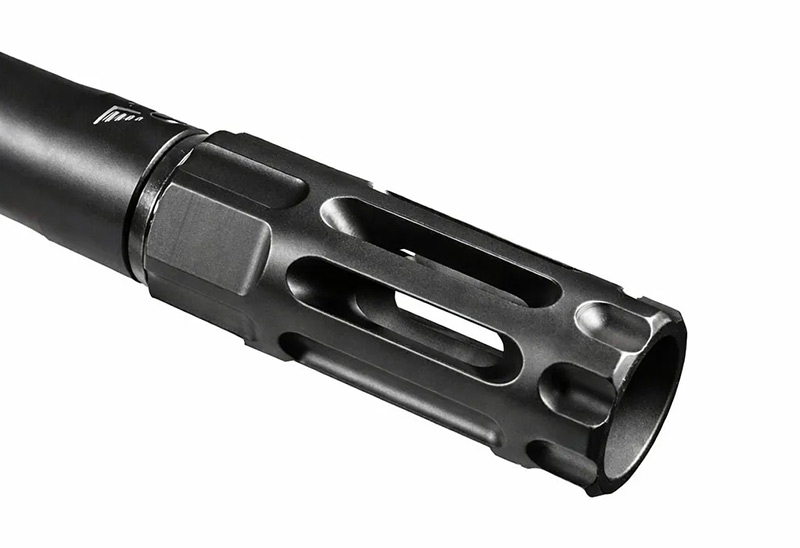
For those who live in humid climates or simply dislike seeing their hardware succumb to the elements, the rifle is coated in a Black Armor-Tuff finish. This is applied over mil-spec hard-anodized surfaces to provide a secondary layer of corrosion and abrasion resistance. It is a utilitarian approach to aesthetics, focusing on longevity and a low-profile matte appearance that will not give away a position with unnecessary glare.
On the scale, the DMR weighs in at 6 pounds and 14.6 ounces when empty. This keeps the total package manageable for those who actually intend to carry it through the field rather than just from the car to the firing line. The overall length is 38.25 inches, and it ships with a 10-round Lancer Advanced Warfighter magazine. For shooters in more restrictive jurisdictions, Wilson Combat offers configurations that meet California-compliant specifications.
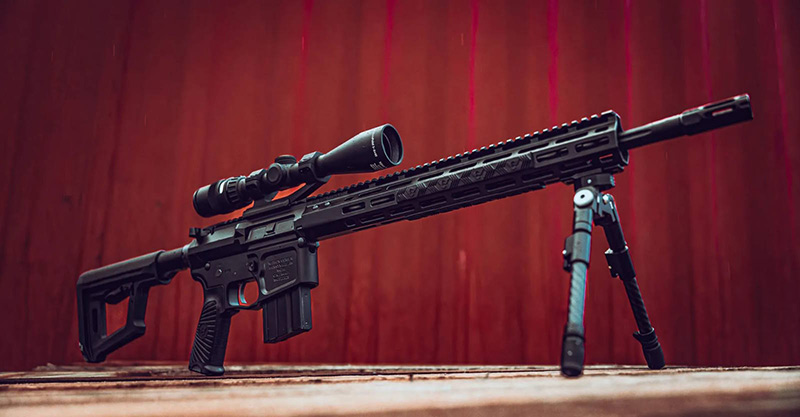
With a base price of $2,575, this rifle represents a significant investment in the AR platform. It is a tool designed for a specific set of requirements: accuracy, reliability, and enough stability to make the long shots feel a bit shorter. While it will not do the shooting for you, it removes many of the mechanical excuses that often stand in the way of a successful day at the range.