Your Moral Compass Is the Ultimate Weapon in Arbiter 131
Gungho Cowboy
26 Mar 2026
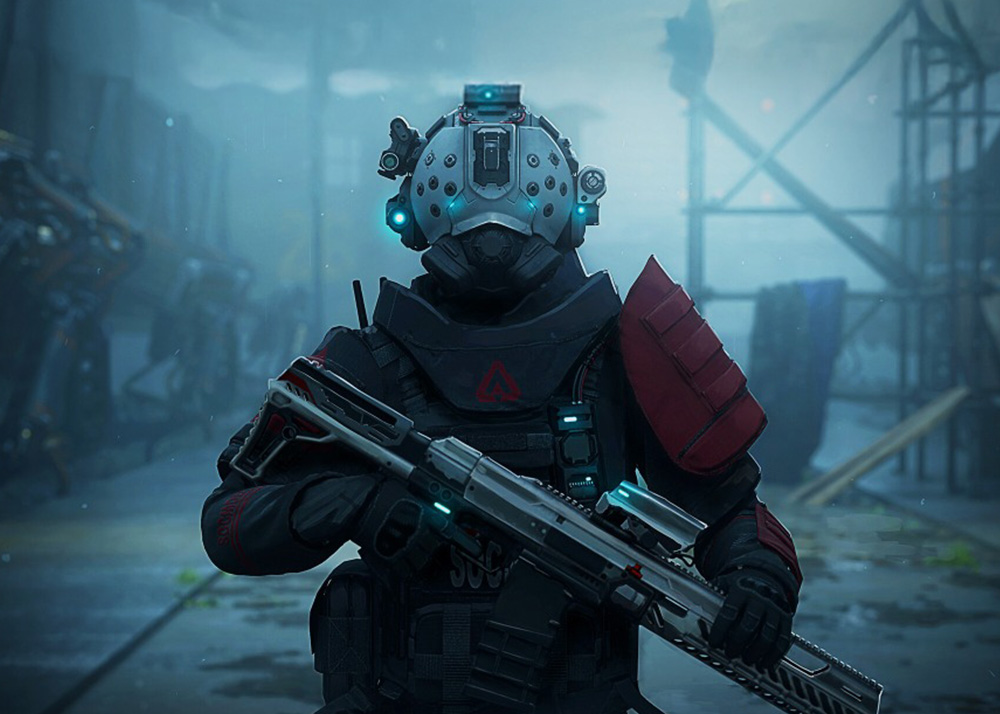
The commute to work in the megacity of Arkadia likely involves less signal failure on the District Line and more dodging sentient surveillance drones, but the career progression is equally cut-throat. In the newly announced game being developed by IKON called Arbiter 131, players are handed the reins of Social Moderation Team 131, a group of enforcers tasked with keeping "order" on behalf of the corporate overlords. It is a premise that developers describe as a cocktail of "XCOM," "Papers, Please," and "Door Kickers," which suggests your morning coffee will be served with a side of heavy tactical planning and a sprinkle of existential dread about your employer’s HR policies.
As reported by IGN, this real-time tactical simulation leans heavily into a gritty, story-driven atmosphere where the player’s role as an Arbiter is far from a simple point-and-click affair. The setting is Arkadia, a sprawling urban labyrinth where corporate rule is the only law. You are effectively the city’s high-stakes janitor, cleaning up dissent and ensuring productivity remains high. However, the game poses a persistent, nagging question: do you want to be the boot on the neck of the populace, or are you feeling a bit more a revolutionary today?
The campaign structure eschews the typical binary "Good or Evil" morality meters that have plagued RPGs for decades. Instead, Arbiter 131 utilises a dynamic system that tracks your specific actions and gameplay mistakes to nudge the narrative in organic directions. If you execute your orders with the clinical efficiency of a high-end toaster, the corporation will likely shower you with perks. If you start misplacing your mission objectives or showing a suspicious amount of empathy for the locals, the world will react accordingly. Every decision ripples through the city, ensuring that your particular brand of insubordination has tangible, and likely painful, consequences.
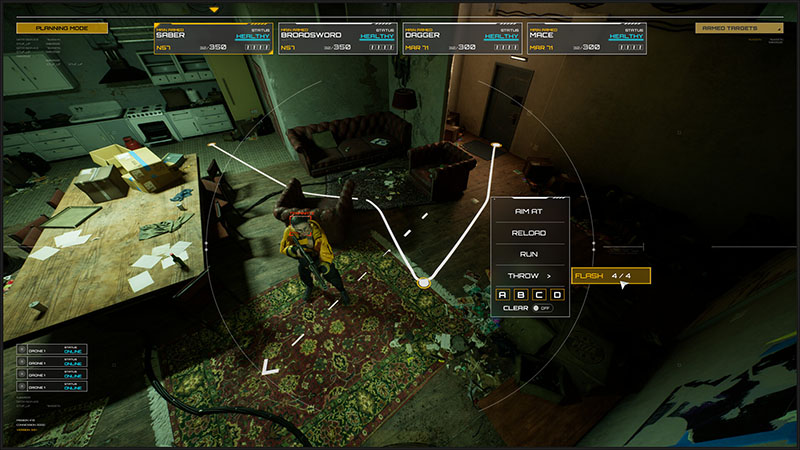
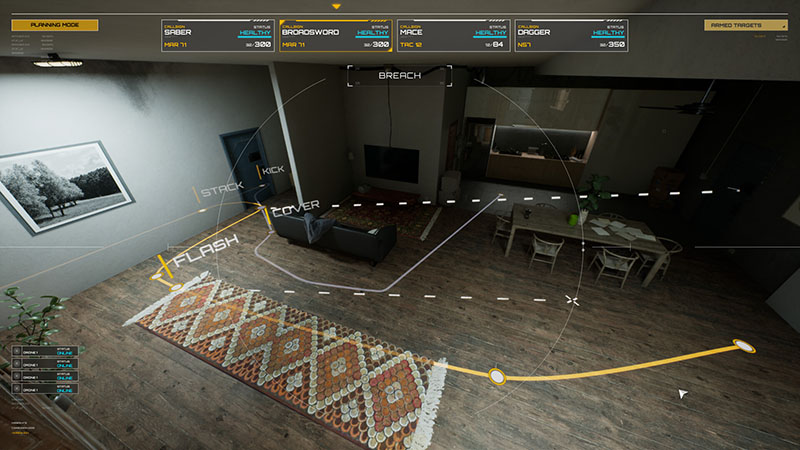
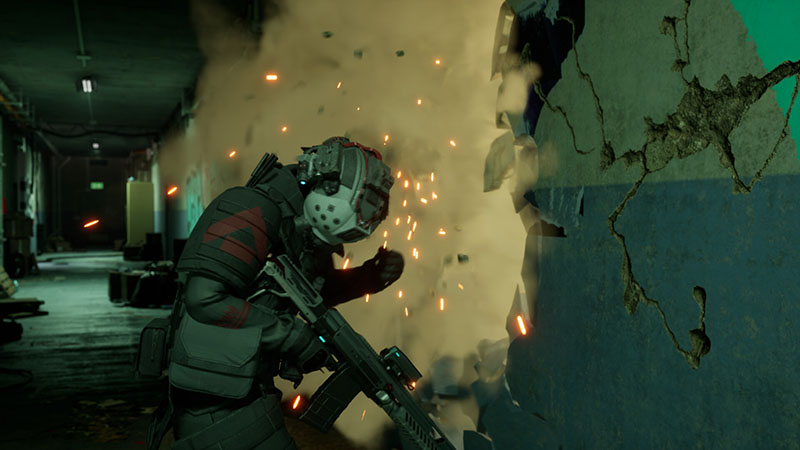
Planning an intervention in Arkadia is managed through the Arkadia Control System, a tool that looks like it is set to satisfy those who enjoy drawing complex diagrams on digital maps. You are given the freedom to draw paths, orchestrate synchronised unit movements, and decide exactly which wall is most deserving of a tactical breach. Whether you prefer to spend forty minutes meticulously synchronising a three-pronged entry or would rather toss the plan out of the window the moment a door gets stuck and improvise on the fly, the game promises a level of tactical freedom that rewards both the strategist and the chaotic opportunist.
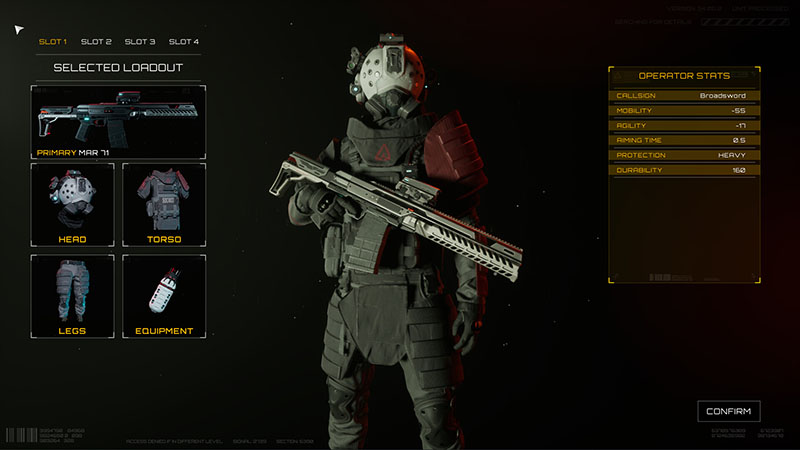
Customisation is not just a matter of choosing which shade of dystopian grey your team should wear. The loadout system allows for a modular approach to weapons, armour, and gadgets, encouraging players to tailor their squad to the specific flavour of the mission. You might opt for a light and silent approach to avoid making a scene, or perhaps a heavy, resilient setup for when a scene is unavoidable. There is even a mention of less lethal options, for those moments when you want to suppress a riot without accidentally removing half the local workforce.
One of the more intriguing features is the drone scanner, a piece of kit that allows you to harvest private data from every device and citizen on the map. In a world built on corporate propaganda, this tool serves as your primary method for finding the truth. You might discover that the dangerous insurgent you’ve been sent to neutralise is actually a disgruntled accountant who just wanted a better dental plan. This layer of intelligence gathering forces you to decide whether your mission briefings are honest instructions or merely well-crafted lies, adding a detective element to the tactical skirmishing.
To keep things grounded, the developers have opted for a purely diegetic interface. There is no omniscient "God-view" here; instead, you perceive the world through the limited, flickering feeds of your drone network and the reports from your boots on the ground. According to the IGN reveal, this lack of traditional fog-of-war or see-through walls creates a claustrophobic sense of immersion. If your drone gets shot down or loses signal in a concrete basement, you are effectively flying blind, making situational awareness a resource that must be fought for rather than a birthright.
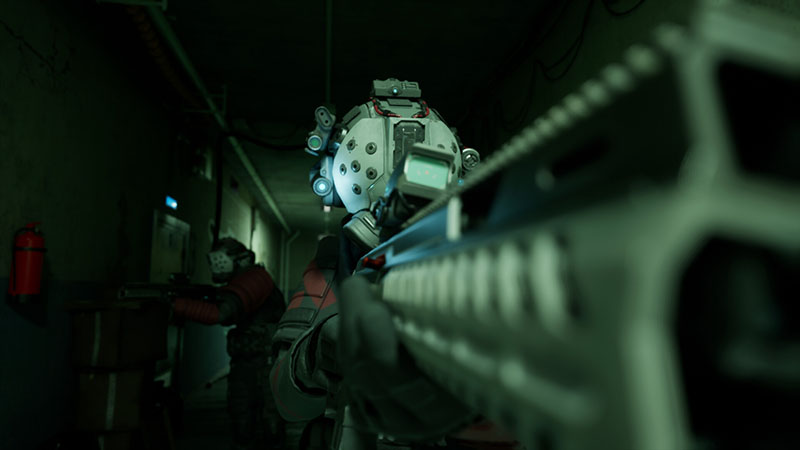
This reliance on intel makes the game feel less like a traditional shooter and more like a high-stakes game of information warfare. Navigating your drones through complex environments without being spotted is just as vital as the shooting itself. It places the player in the role of a remote operator, physically detached from the danger but emotionally and strategically tethered to the outcome. In Arkadia, knowing where your enemy is sitting is often more valuable than having a bigger gun, provided your drone doesn’t run into a pigeon or a very high-voltage power line first.
All in all, Arbiter 131 seems to be building a space where the player’s conscience is as much a part of the UI as the ammunition counter. By blending the rigid tactical requirements of a squad-based sim with the murky ethics of a corporate dystopia, it offers a playground for those who like their strategy with a side of philosophical crisis. Whether you choose to be the ultimate corporate tool or a spanner in the works, the city of Arkadia is watching. Just try not to break the company hardware on your way out; those drones probably cost more than your annual salary.